
-
“End of the Beginning:” What Was Achieved at COP-21?
›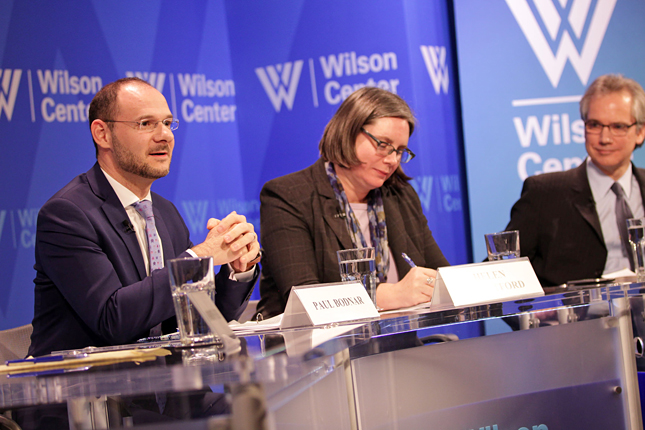
Last month, for the first time, 195 countries formally agreed to take steps to slow and eventually reduce carbon emissions. “This is potentially one of the most important things that’s ever been done for your children, your grandchildren…and their welfare in the future,” said Andrew Light, professor of public philosophy at George Mason University. [Video Below]
-
Missing the Big Picture in Challenging Africa’s “Land Grab” Narrative
›
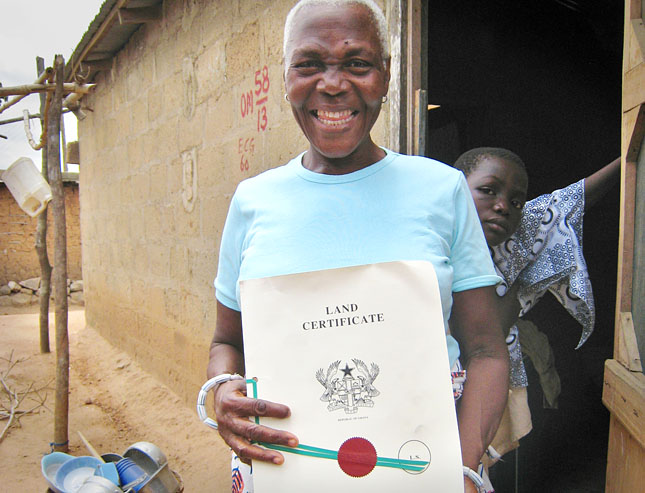
Who walks away from fertile agricultural land available to lease for as little as $1 per year per hectare? Recent reports indicate international investors are doing just that across sub-Saharan Africa.
-
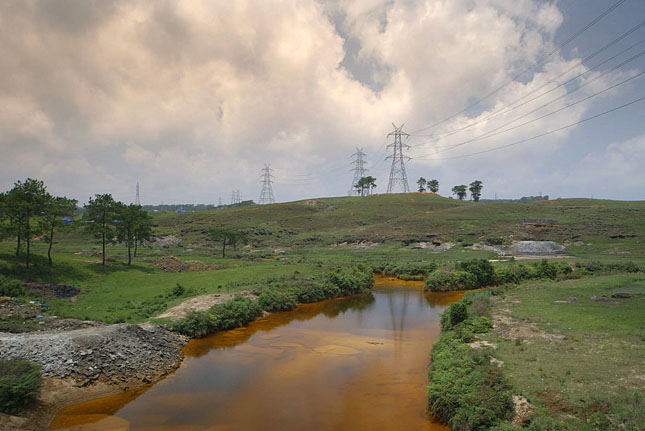
Modi’s Grand Plan to Divert Himalayan Rivers Faces Obstacles
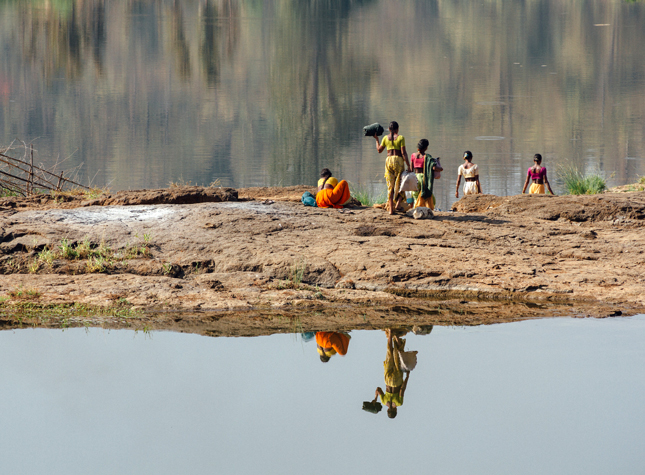
›One of Prime Minister Narendra Modi’s first priorities after winning an overwhelming victory last year on a platform of development and growth is to fast-track a decades-old plan to link India’s rivers.
-
In Morocco, a Microcosm of What Leads Many to Leave Their Home Countries
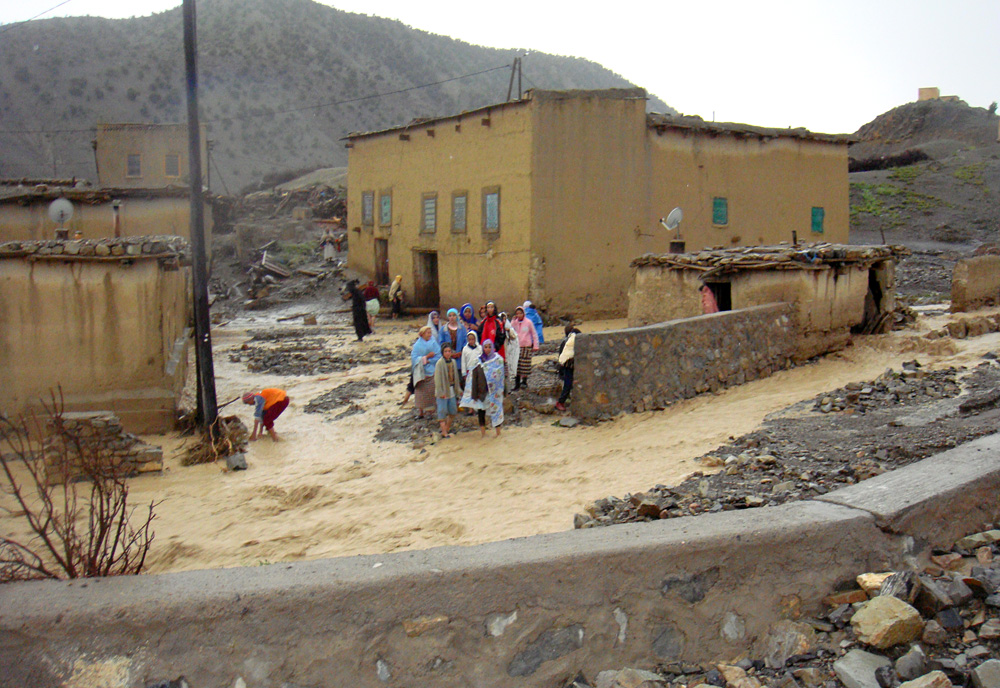
›Global attention is understandably focused on Syrian refugees, but the migration crisis in Europe is part of a bigger trend that climate and social scientists have been warning about for years.
-
Lisa Palmer, Yale Climate Connections
Learning From India’s “Climate-Smart” Farming Villages
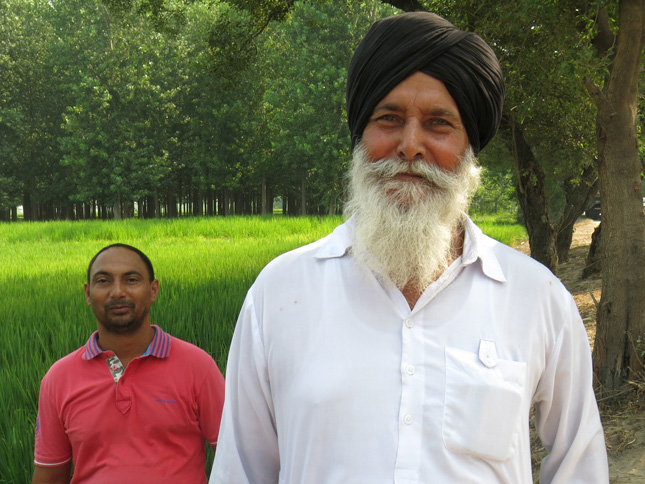
›December 2, 2015 // By Wilson Center StaffJoginder Singh, a 68-year-old farmer in the village of Noopur Bet in Punjab, is among the thousands of farmers in India trying to reconcile the risks posed by a changing climate with their need to improve crop yields to support their families.
-
The ECC Factbook Illustrates How the Environment Can Contribute to Peace and Conflict
›In his speech on climate change and national security on November 10, Secretary of State John Kerry said climate change is already a “threat multiplier,” and that worse is to be expected if climate change continues unchecked. But the relationship between the environment and violent conflict is complex and often indirect. Researchers have been wrangling for years over the role that global environmental change plays in fueling conflict and state fragility.
-
A River Runs Again: Reporting on India’s Natural Crisis
›The world’s second most populous country – projected to be first by 2022 – is developing faster than ever before, roiling the social, political, and environmental landscape. [Video Below]
-
Rachel Stern, Thomson Reuters Foundation
Despite Rising Concern, Climate Change Often Put on Back Burner in Conflict Zones
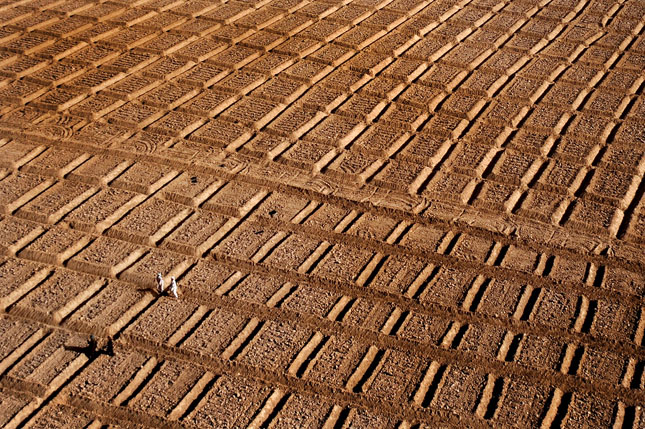
›October 23, 2015 // By Wilson Center StaffBarren barley and wheat fields stretch across the dry landscape of northern Afghanistan, the result of persistent drought and flash flooding that has left thousands of people facing food shortages and loss of work.
Showing posts from category agriculture.