
-
It’s OK to Play With Your Food: What We Learned From a Global Food Security Game
›The year is 2022. Strong El Niño and La Niña events in successive years have drastically reduced wheat yields in India and Australia and increased the range of certain pests and plant pathogens in the Western Hemisphere. Moreover, a drought across North America has reduced corn and soybean yields significantly. Global commodity prices are up 262 percent over long-term averages. These price increases are compounding other social and economic challenges, contributing to social unrest in several food-importing nations.
-
What’s Next? A Report Out From the First Planetary Security Conference
›February 18, 2016 // By Gracie CookIn November 2015, experts from a variety of fields gathered at the Peace Palace in The Hague for the Planetary Security Conference, one of the first large-scale conferences on environmental security and what is hoped to be the start of an annual series. The conference report gives a sense of the diverse discussions held in the Netherlands.
-
Water and Security Hotspots to Watch in 2016 [Infographic]
›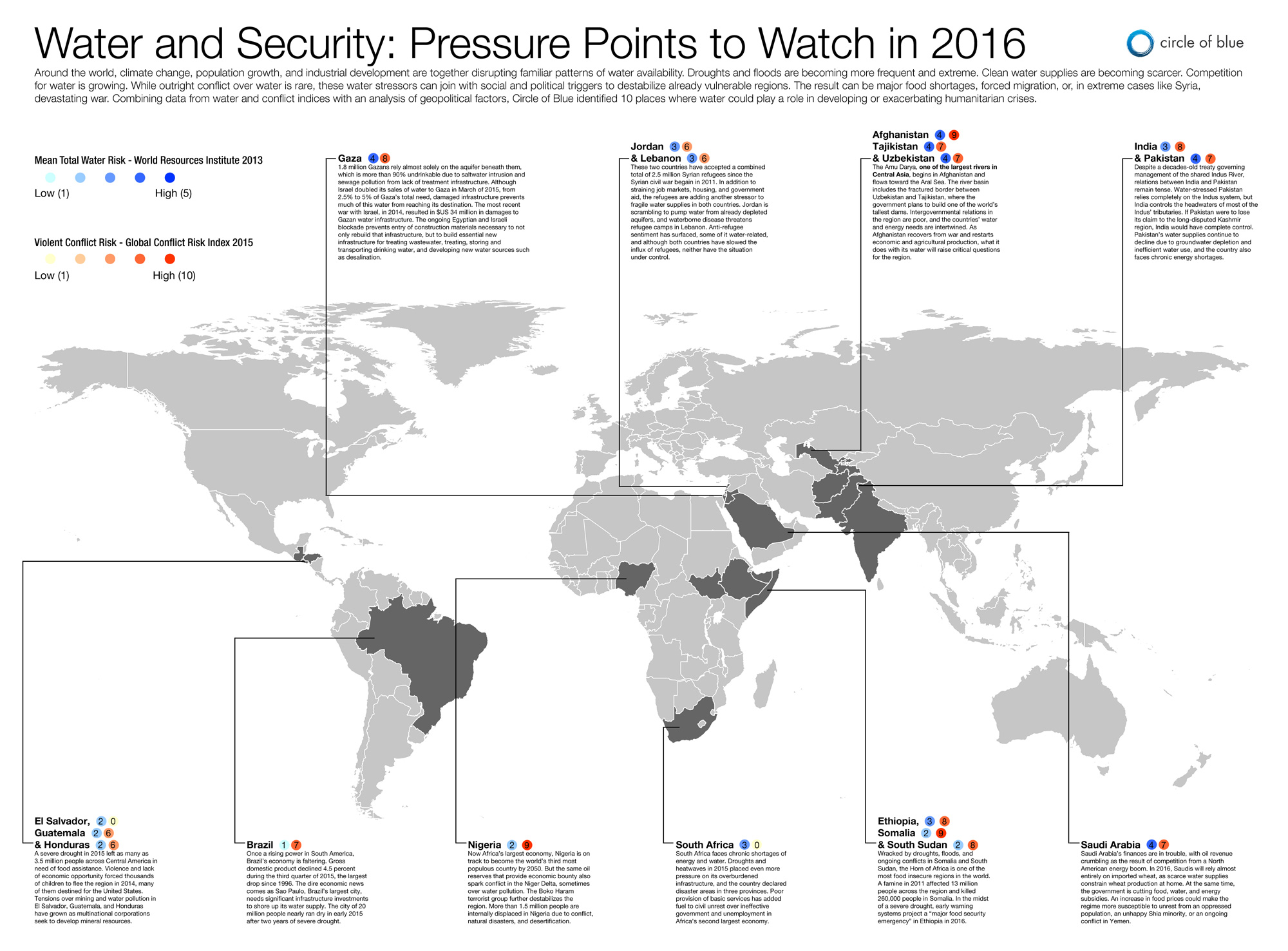
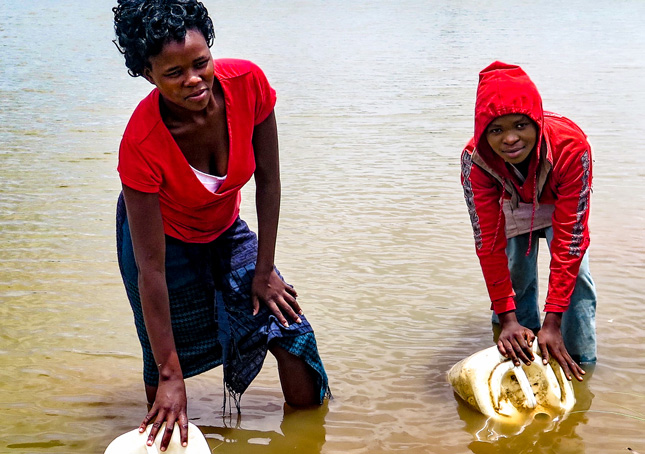
The ongoing violence in Syria exhibits the potential for water problems – a historic drought, in this case – to exacerbate existing social and political problems and contribute to humanitarian crises. In a recently released infographic, Circle of Blue combined data from the European Commission Joint Research Center’s Global Conflict Risk Index and the World Resources Institute’s Aqueduct Water Risk Atlas to identify 10 hotspots around the world where water “could play a role in developing or exacerbating humanitarian crises” in 2016.
-
India’s Thirst for Palm Oil, New South-South Trade Patterns Cast Doubt on Sustainability Initiatives
›
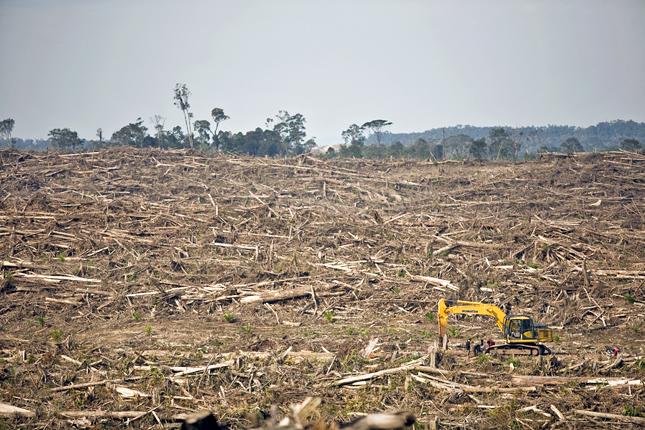
Patterns of trade and consumption in the global food system are shifting. In the past, most trade in agricultural commodities occurred between developed and developing countries. But, in recent years, the volume of South-to-South trade has increased significantly. Today, some of the most problematic crops in terms of their effect on the environment, such as soy and palm oil, are predominantly traded amongst developing and fast-rising countries.
-
Keith Schneider, Circle of Blue
Drought Pushes South Africa to Water, Energy, Food Reckoning
›January 7, 2016 could hardly have been worse in this thunderously beautiful, water-parched, and economically reeling nation of 55 million residents at the bottom of Africa.
-
The U.S. Intelligence Community’s Assessment on Food Security, Famine and Migration in the Sahel
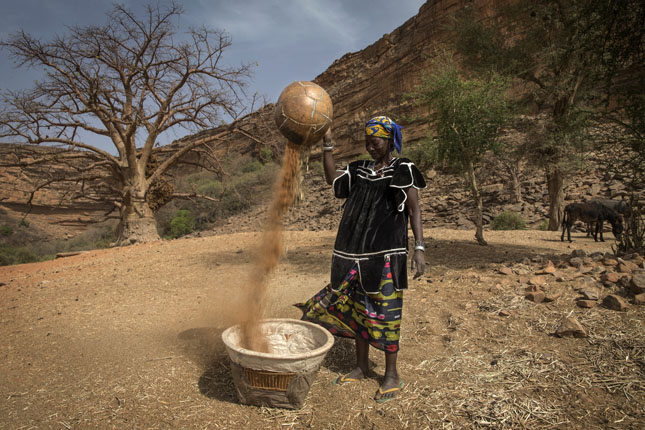
›This fall, the National Intelligence Council released an intelligence community assessment of the extent to which factors such as climate change, severe weather, conflict, resource scarcity, disease, poor governance, and environmental degradation will impact peoples’ purchasing power and food availability over the next decade. They found “the overall risk of food insecurity in many countries of strategic importance to the United States will increase.” -
An Empty Table? Food-Climate-Conflict Connections in Paris
›Security, terrorism, conflict, and peace: you won’t find any of these words in the landmark agreement released on December 12 at the 2015 Paris Climate Conference (COP-21). It’s never been front-and-center on the agenda at previous Conference of Parties, from Copenhagen to Cancun. But in Paris, a city reeling from terrorist attacks, the specter of climate-related conflict haunted delegates and the potential of a climate-resilient peace inspired grassroots protests.
-
New Research Reveals Climate-Food-Conflict Connection Via Nighttime Temperatures
›The effect of climate change on the emergence of violent conflict has become one of the more lively academic debates and is even bleeding over into the mainstream. Despite a substantial number of studies, results are contradictory and somewhat inconclusive.
Showing posts from category agriculture.