-
Environmental Security Weekly Watch: April 13-17, 2026
›
A window into what we’re reading at the Stimson Center’s Environmental Security Program
Green Corridor Addresses Conflict Economies in Virunga National Park (Mongabay)
In the Eastern Congo, Virunga National Park faces an intertwined crisis of conflict and environmental destruction rooted in economic desperation. Communities residing within the park rely on charcoal production and forest clearing for survival. Simultaneously, armed militias exploit these same resources to finance ongoing violence. In response, Virunga administrators have developed an integrated model using renewable energy as the foundation for an alternative economy.
-
Environmental Security Weekly Watch: February 23-27, 2026
›
A window into what we’re reading at the Stimson Center’s Environmental Security Program
UN Report: One in Five Fish Products Tied to Fraud (Inside Climate News)
A new UN Food and Agriculture Organization report finds that up to 20% of fishery and aquaculture products worldwide are mislabeled. The $195 billion industry is especially vulnerable due to supply chains involving over 12,000 traded species. The study is the first of its kind for the organization, and describes a pattern of fraud that takes many forms, from coloring tuna to appear fresher, to selling farmed fish as wild-caught, to substituting cheap species for expensive ones entirely. In the US alone, as much as a third of seafood may be mislabeled, yet less than 1% of imports are ever tested.
-
Environmental Security Weekly Watch: January 26-30, 2026
›A window into what we’re reading at the Stimson Center’s Environmental Security Program
High Seas Treaty Takes Effect as Global Ocean Protection Framework (Associated Press)
The High Seas Treaty is the world’s first legally binding agreement to protect marine life in international waters, and its broad impacts began when it entered into force on January 17, 2026. The treaty governs the nearly half the planet’s surface comprised of vast ocean areas beyond any individual country’s exclusive economic zone—an area which faces threats from destructive fishing, shipping, plastic pollution, overfishing, and potential deep sea mining.
-
PFAS ‘Forever Chemicals’ Harming Wildlife the World Over: Study
›This article, by Sharon Guynup, originally appeared on Mongabay.
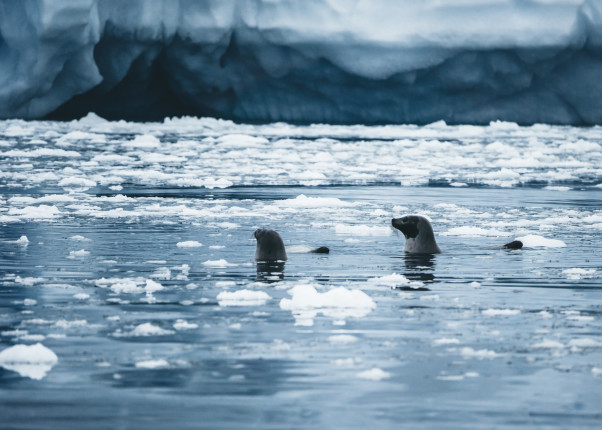
In Hawaii and elsewhere in the North Pacific, few hatchlings are emerging from the nests of endangered hawksbill and green sea turtles. In Wisconsin, some tree swallows have failed to produce offspring. In California, infectious diseases are now more common in southern sea otters. In Michigan, bluegills are swimming slower. In the Arctic, some hooded seals and their pups have thyroid problems. And in North Carolina’s Cape Fear River, American alligators have been found with lesions and unhealed, infected wounds.
-
Environmentalism for Sovereignty’s Sake
›Egypt’s Gebel Elba National Park is, by all accounts, a spectacular place. But it better be to justify the fuss it takes to visit. First you have to apply for a permit. If that’s approved (and almost none have been in recent years), you need to travel with an approved tour operator. Even then, you must be accompanied by police at all times.
-
Klamath Dam Removal: A Key Step in Freshwater Restoration and Protection Goals
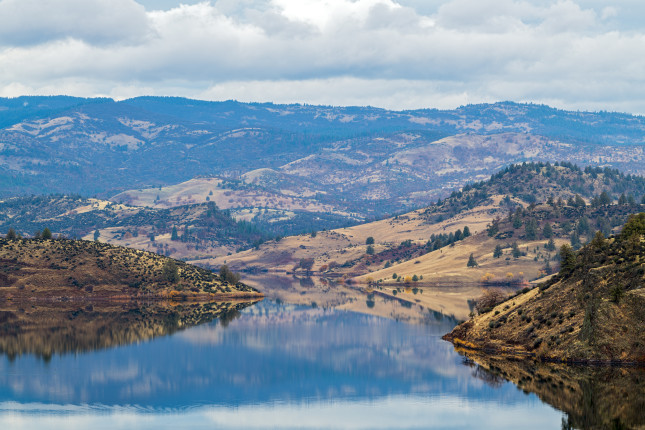
›The Klamath River Dam removal, slated for early 2024, is a significant milestone in the journey towards bringing back healthy rivers in the United States. This action will restore nearly 300 miles of river habitat in the Klamath and its tributaries across Southern Oregon and Northern California, allowing salmon, a critical source of economic and nutritional value for the local communities, to return. As the world’s largest dam removal and river restoration project in history, this project will have lasting impacts on the health of this river and represents an opportunity for building momentum to continue global river protection and restoration.
-
Answering the Amazon’s Call: Can the Private Sector Mobilize for its Protection?
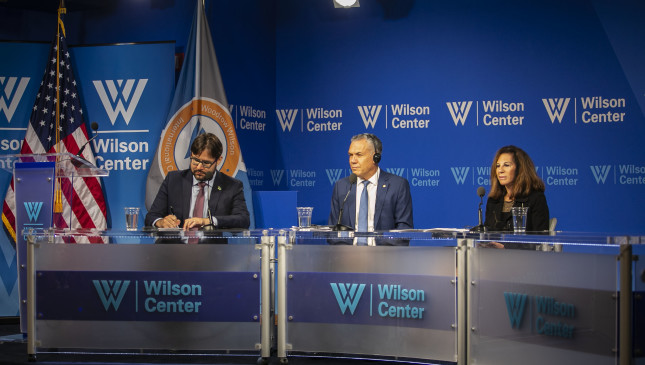
›Luiz Inácio Lula da Silva’s victory in Brazil’s presidential election on October 30, 2022—and his appearance at the COP27 summit on November 16—have put protecting the Amazon basin back on the agenda. Speaking at a Wilson Center event on November 4, Iván Duque Marquez, Former President of the Republic of Colombia and a Distinguished Fellow at the Center, highlighted why it was vital to counter the threat to this magnificent biome: “The Amazon is the most biodiverse area in the planet. The Amazon River discharges in one hour the same amount of fresh water that is consumed in a year by 7000 million people; and, at the same time, the Amazon in terms of size is twice the size of the EU and is larger than the United States without Alaska.”
-
Peaceful Minefields: Environmental Protection or Security Risks?
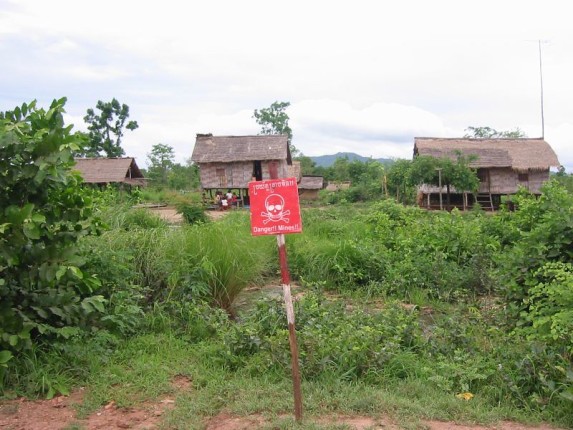
›On my first tour of a Cambodian minefield in 2010, the demining supervisor of the platoon of deminers brought me through a tapioca field where heavily armored men and women stood in lines. I was not allowed beyond the bright red signs with skulls and crossbones. Wearing bulletproof helmets, masks, and aprons, they slowly and tediously walked through the field, using a metal detector to sweep the ground in front of them, the sun reflecting off the long plastic visor. To avoid the heat of the Cambodian sun, they began their work early in the morning. In the golden hour of sunrise as dawn gilded the fields, the sounds of a distant Buddhist temple surrounded us with chanting. I commented on how beautiful it was.
Showing posts from category protected areas.