
-
Human Rights and the Environment: How Do We Do Better?
›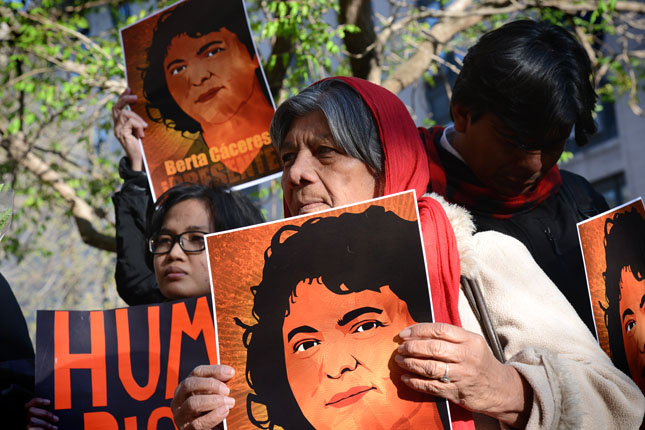
2015 was a deadly year for environmental activism. According to Global Witness, 185 activists were killed, a 60 percent increase from 2014. Of the victims, 40 percent were indigenous people, like Berta Cáceres, who spoke at the Wilson Center last year and was shot and killed in her home in Honduras this March. [Video Below]
-
Oil, Greed, and Grievances in the Middle East and North Africa
›
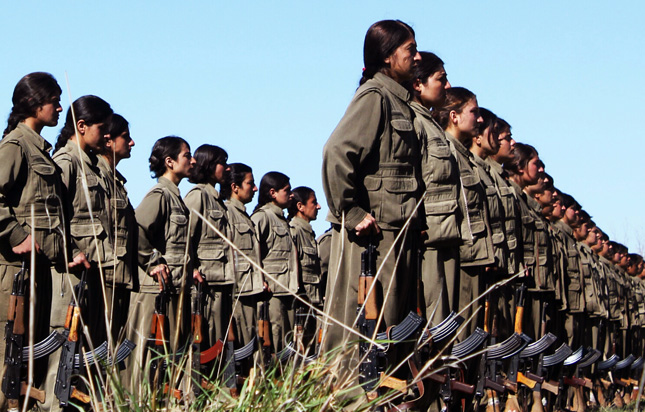
Between 1961 and the U.S. invasion of Iraq in 2003, Iraqi Kurdistan’s quest for independence has led to the violent death of an estimated 180,000 people. At least 12 independent political groups represent the Kurdish minority in the north of the country. These groups have pursued wildly different strategies to reach their goals, some orchestrating terrorist attacks or larger-scale violence, others choosing education and propaganda campaigns, the provision of social services to gain popular support, and demonstrations.
-
HoPE for Sustainable Development: Results From an Integrated Approach in East Africa
›The Sustainable Development Goals (SDGs) are an ambitious framework for reducing poverty and improving the lives of billions of people. They were agreed to last year by governments at the United Nations and cover developing and developed countries alike. But how will governments, NGOs, and other organizations go about actually accomplishing them over the next 15 years? [Video Below]
-
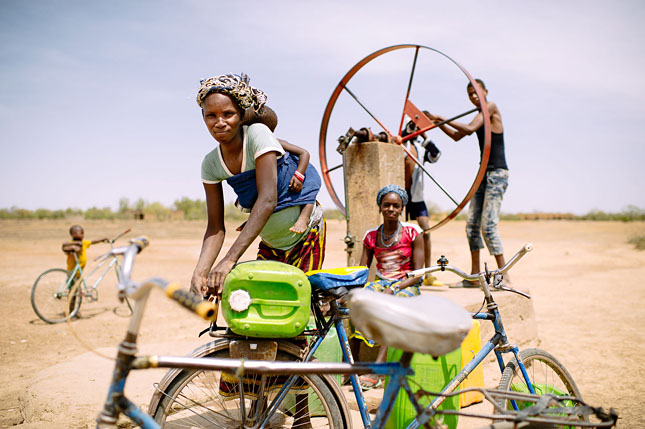
Conflict in Food Producing and Consuming Communities, and How to Help Women in the DRC
›A working paper by Eoin Mcguire (Brown University) and Marshall Burke (Stanford University) examines the impact of food price increases on conflict in Africa. Under the hypothesis that negative income shocks contribute to the outbreak of conflict, the authors compare the effect of significant increases in food prices in communities that predominantly produce food to the effect in those that predominantly consume food. In food producing areas, conflict driven by food surplus allocations increased but conflict driven by territorial factors decreased. -
Military Leaders Urge South Asian Countries to Put Aside Animosities in Face of Common Climate Threat
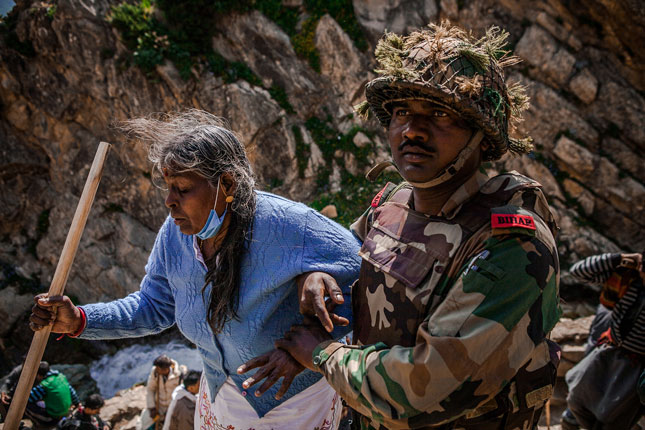
›July 6, 2016 // By Sreya PanugantiDespite a long history of confrontation and simmering tensions, three senior retired military leaders from Pakistan, Bangladesh, and India urge the nations of South Asia to unite around a common rising threat in a new report.
-
What Makes Agriculture Vulnerable to Climate Change, and the Mortality Effects of Fruit and Vegetable Scarcity
›Gains in food production and increased awareness of global food security are threatened by looming losses due to climate change, according to a study published in The Lancet. Marco Springmann et al. calculate that climate change will lead to a 3.2 percent reduction in global food availability per person by 2050, driven by changes in weather patterns, increasing frequency of extreme weather, and potential social disruptions to food production like disease and conflict. -
In Sustainable Development and Conflict Resolution, Women Seeing Larger Roles
›It used to be a luxury to talk about the environment when you were addressing conflict. Today, “we recognize it’s not a luxury anymore,” said Liz Hume, senior director for programs at the Alliance for Peacebuilding, at the Wilson Center on April 29. Similarly, gender dynamics are now being recognized as playing a critical role in sustainable development and peacebuilding. [Video Below]
-
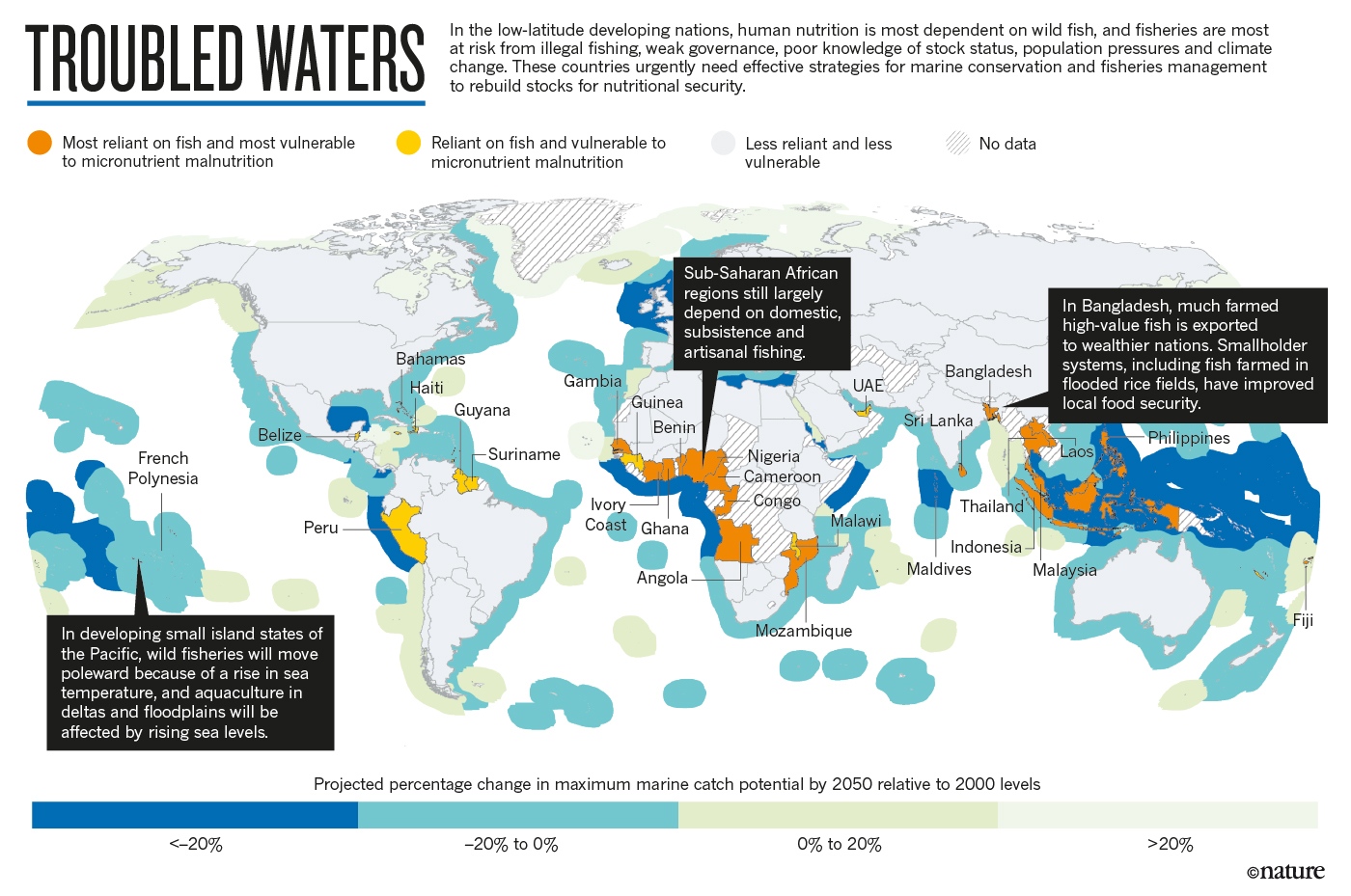
Christopher Golden et al., Nature
Declining Fisheries Threaten Micronutrient Deficiencies for Millions
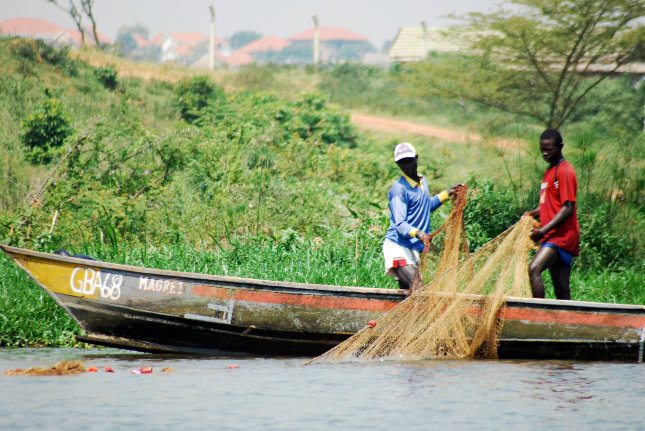
›June 17, 2016 // By Wilson Center StaffHow will the 10 billion people expected to be living on Earth by 2050 obtain sufficient and nutritious food? This is one of the greatest challenges humanity faces. Global food systems must supply enough calories and protein for a growing human population and provide important micronutrients such as iron, zinc, omega-3 fatty acids, and vitamins.
Showing posts from category natural resources.