
-
Leveraging Hydropower for Peace
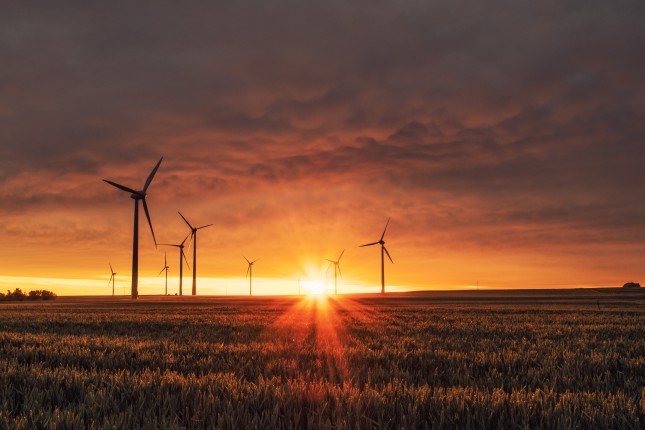
›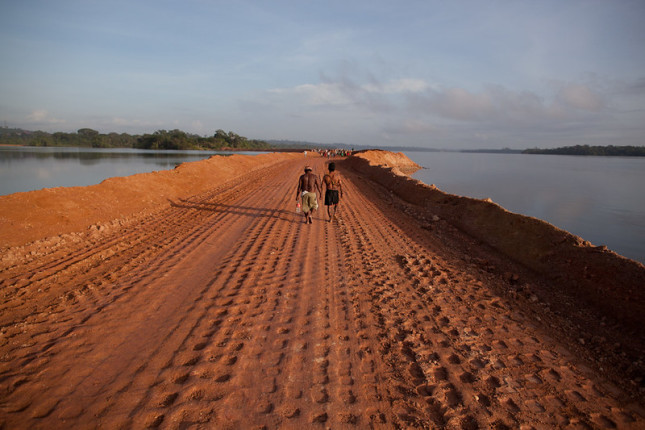 Hydropower is the largest source of low-carbon electricity in the world today. And its benefits are needed more than ever. The International Energy Agency estimates that we will need to double the amount of installed hydropower capacity—which stands today at around 1360 gigawatts worldwide—in order to limit the rise in average global temperatures to 1.5 degrees Celsius above pre-industrial levels.
 -
Creating an Environment of Peace Means Avoiding Backdraft
›
The much-needed transition to a zero carbon, green economy offers opportunities to contribute to peace, but only if the conflict risks of transition are understood and managed to produce a just and peaceful transition. That means minimizing “backdraft”—the unintended negative impacts of transition that are a key obstacle to that goal.
-
Addressing the Global Food Crisis: CIMMYT Experts Weigh In
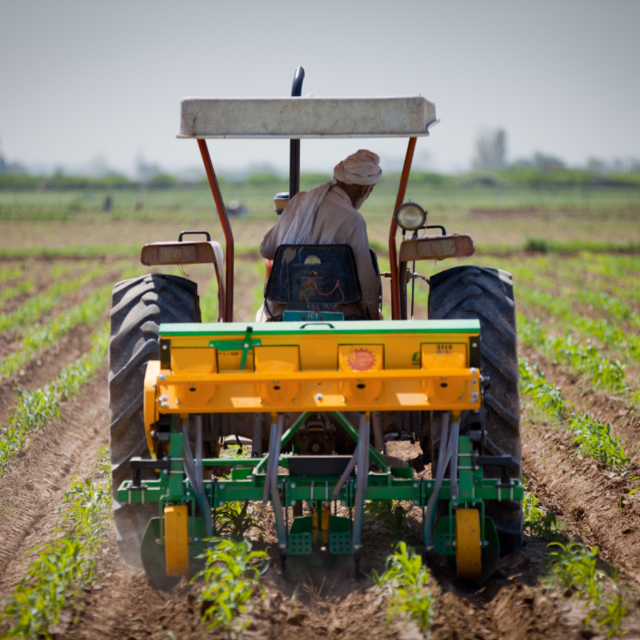
›The confluence of climate change, COVID-19, and the war in Ukraine have placed enormous stress on food systems across the globe. Food insecurity spiked in 2020 and has stayed high, and the number of undernourished people is on the rise. -
Beyond a “Threat Multiplier”: Exploring Links Between Climate Change and Security
›Ever since the CNA’s Military Advisory Board—composed of former U.S. military personnel—named climate change as a “threat multiplier” in a 2007 report, the term has gained widespread currency both in environmental and national security circles. It also has propelled the need to assess and address climate-related security risks higher up overall policy agendas.
-
Climate Finance: Can Integrity and Transparency Prevent Environmental Catastrophe?
›Earlier this year, the IPPC published yet another report underscoring the fact that rapid climate action is needed to limit global warming and avoid further irreversible, devasting environmental impacts. Over the next decade, the report calls for urgent, unprecedented social and economic transitions to reduce emissions and enable climate resilient development for vulnerable people.
-
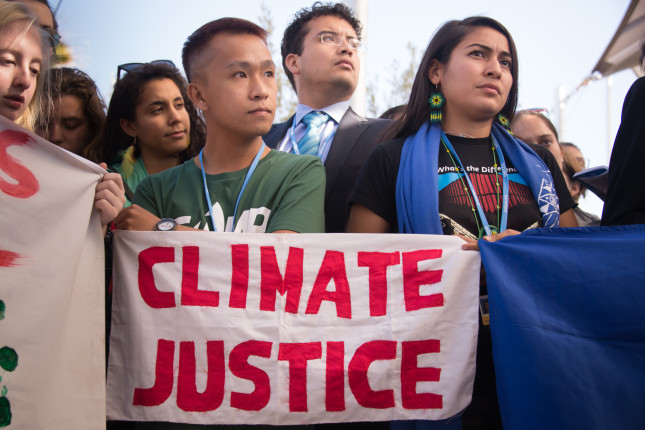
Transformative Climate Security: A Conversation with Josh Busby
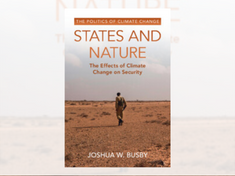
›Why does climate change lead to especially bad security outcomes in some places but not others? In this week’s New Security Broadcast, Josh Busby, Associate Professor at the LBJ School of Public Affairs at the University of Texas-Austin, discusses the latest thinking on this essential question as laid out in his new book, States and Nature: The Effects of Climate Change on Security, with ECSP Program Associate, Amanda King, and ECSP Senior Fellow, Sherri Goodman.
-
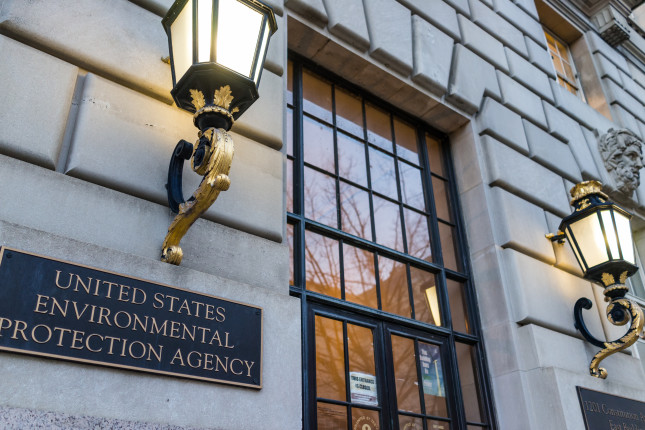
Delaying the Inevitable? The Uncertain Future of the EPA’s Online Archive
›In February 2022, the Environmental Protection Agency (EPA) announced its plans to shutter its online archive—a key resource on the work of the agency that is relied upon by researchers, legislators, policymakers, and citizens for work on everything “from historical research to democratic oversight.” Pulling the plug would instantly have made public access to a vast array of fact sheets, environmental reports, policy changes, and regulatory actions significantly more difficult.
-
Top 5 Posts for June 2022
›From climate change to COVID-19 and the war in Ukraine, the world is a landscape of increasing instability. Book-ending the Top 5 posts of June are two articles that explore different aspects of these converging risks. In the top post for June, Steven Gale and Mat Burrows write that globally, younger generations are becoming increasingly disengaged and discontent with their democratic governments, civil society, and institutions. Youth disillusionment is not a result of ignorance to current affairs, but rather a lack of faith in democratic institutions to address today’s most pressing global issues. Tackling youth disillusionment, suggest Gale and Burrows, begins with examining youth engagement trends and placing it at the top of the agenda.
Showing posts from category climate.
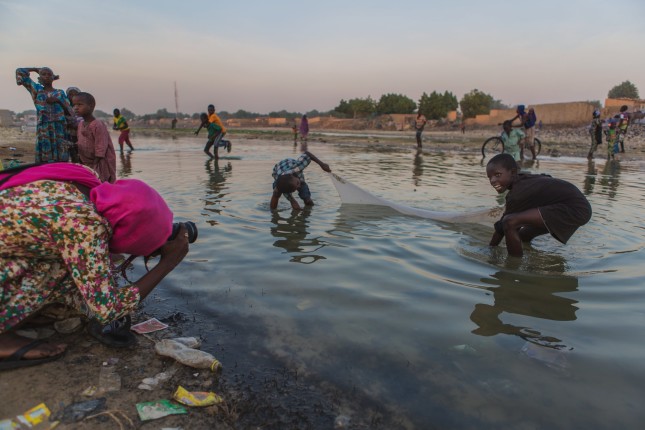
 The confluence of climate change, COVID-19, and the war in Ukraine have placed enormous stress on food systems across the globe.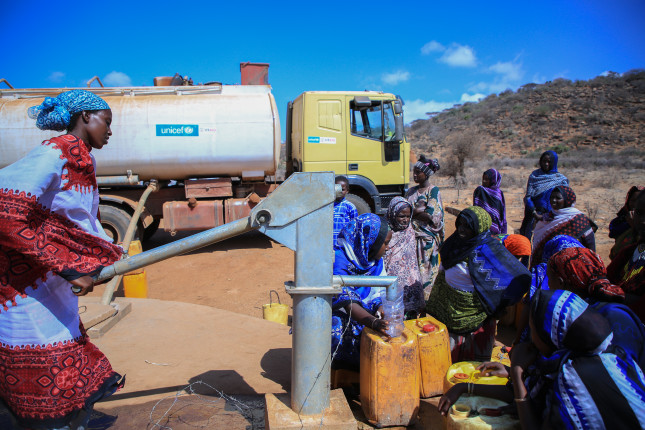
 Why does climate change lead to especially bad security outcomes in some places but not others? In this week’s New Security Broadcast, Josh Busby, Associate Professor at the LBJ School of Public Affairs at the University of Texas-Austin, discusses the latest thinking on this essential question as laid out in his new book,