
-
State of Population-Climate Change Research
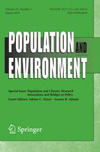
› What is the future of population and climate change research, and how can this research impact international policy? In a special issue of Population and Environment, environmental and social scientists look at these questions. “One of the most exciting developments in the climate change research community at present is the development of a new generation of climate scenarios,” write Adrian C. Hayes and Susana B. Adamo in the introduction. These can help facilitate more interdisciplinary research.
 -
Lisa Palmer, Slate
Famine Is a Feminist Issue
›April 17, 2014 // By Wilson Center Staff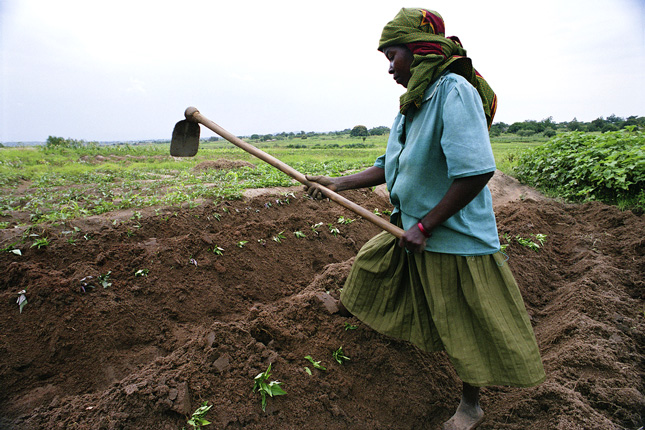
In 2013 the United Nations Population Division revised its population projections to show that population could grow even faster than previously anticipated, especially in Africa. Planning ahead for feeding a hot, hungry, teeming planet is both a numbers game and social venture. Calories, climate change, and acres of land are some of the factors on one side of the equation. The 7 billion people in the world, projected to grow to 9.6 billion by 2050, are on the other.
-
High Food Prices an Unlikely Cause for the Start of the Arab Spring
›April 7, 2014 // By Richard CincottaJust months after popular uprisings toppled Tunisia and Egypt’s authoritarian regimes, a trio of complex-system researchers published a brief article linking these demonstrations with high levels of the UN Food and Agriculture Organization’s international Food Price Index. Marco Lagi, Karla Bertrand, and Yaneer Bar-Yam’s model, which predicts outbreaks of deadly social conflict when the index tops 210, has since become a popular explanation wielded by many for bouts of popular unrest, including the Arab Spring and overthrow of Ukraine’s government. But were food prices really an underlying “hidden” cause for the start of a wave of instability that is still being felt today?
-
In Nepal, Integrating Forest and Family Health Is Improving Lives
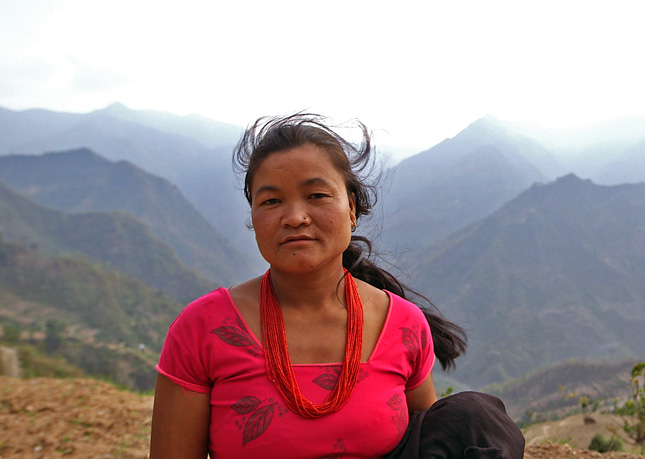
›March 24, 2014 // By Sean PeoplesFor years, the Chepang people have lived off the land in Nepal’s forested central foothills. Communities cleared trees to start small subsistence farms, harvested the surrounding area for firewood, and eventually moved on after the wood, soil, and water were depleted.
-
Gidon Bromberg: Jordan River Shows Water Can Be a Path to Peace, Generate Will for Change
›
At last month’s launch of the USAID Water and Conflict Toolkit at the Wilson Center, Gidon Bromberg explained that the toolkit is about much more than just conflict. “It’s put very much in forefront the possibilities of peacebuilding,” he says in this week’s podcast. “Water is an opportunity in areas where there aren’t many opportunities.”
-
A New Model of Development? The Role of Public-Private Partnerships in International Aid
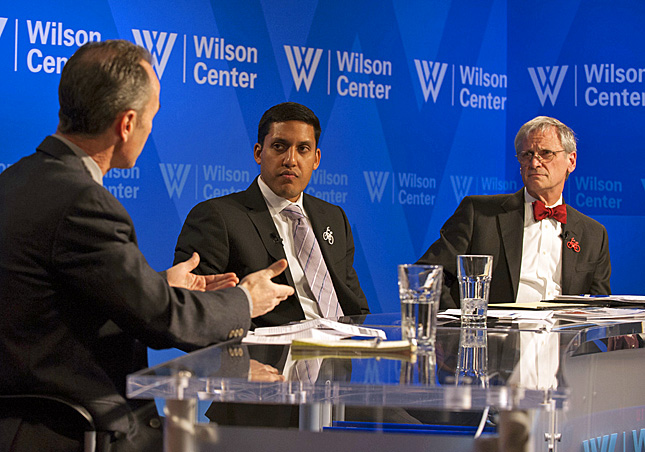
›USAID funding is “far outstripped” by private investment and business relationships in “nearly every country” in which it works – and that’s a good thing, according to USAID Administrator Rajiv Shah. [Video Below]
-
Environmental Impacts of Household Size, Bringing Family Planning Outside the Health Sector
›What are the environmental implications of changing household sizes? A recent article by Mason Bradbury, M. Nils Peterson, and Jianguo Liu, published in Population and Environment, analyzes data from 213 countries over 400 years and finds the average number of occupants per home tends to decline as population grows. This dynamic, they write, indicates that accommodating housing could prove to be one of “the greatest environmental challenges of the twenty-first century.” As countries develop and urbanize, “according to convergence theory, household size decreases (often from greater than five to less than three).” Other cultural shifts, like increasing divorce rates, urban sprawl driven by rising affluence, decreasing numbers of multigenerational households, and larger houses (in the United States, homes more than doubled in size between 1950 and 2002, according to the article) compound the issue. As population growth continues in parts of the world, these trends pose critical questions for conservation and environmental sustainability, since “households are the end consumers of most natural resources and ecosystem services.” -
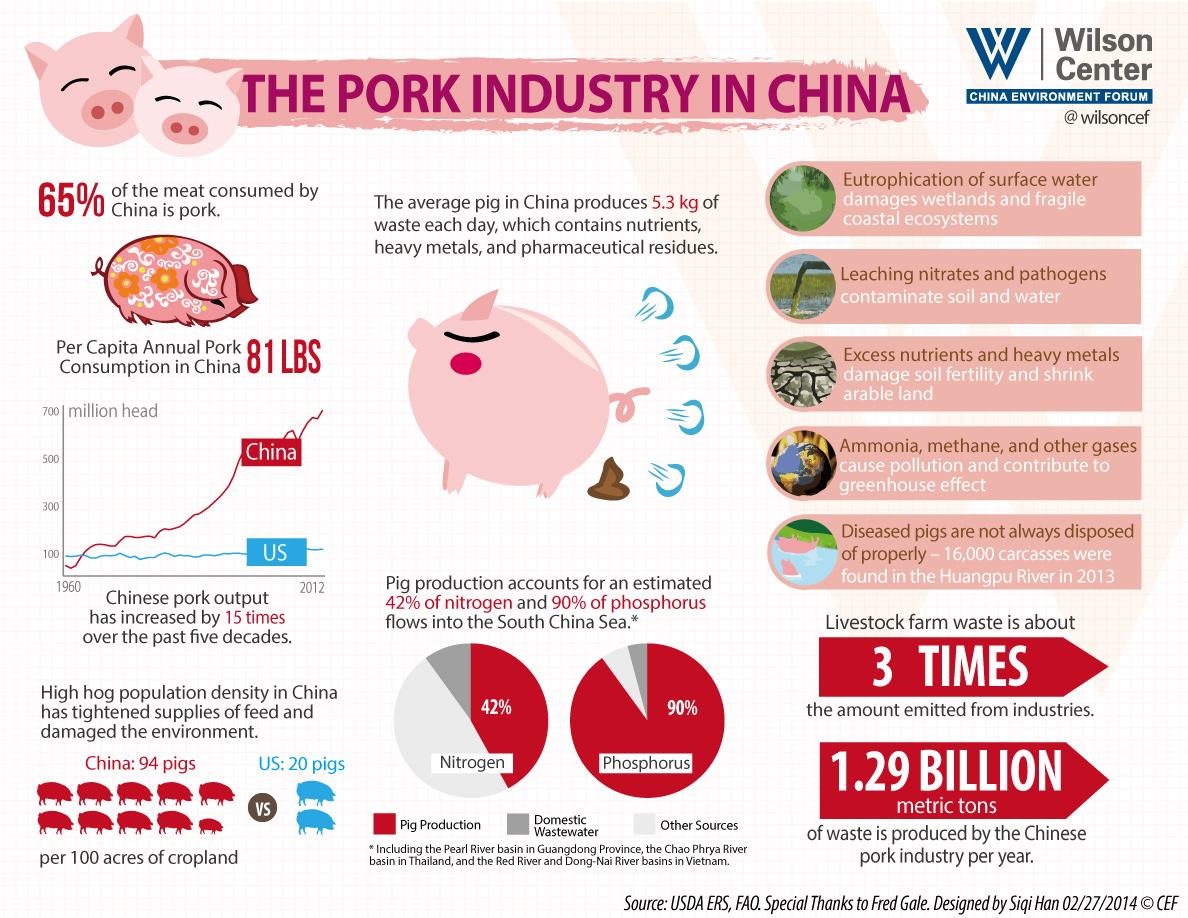
Infographic: The Environmental Effects of China’s Growing Pork Industry
›The pork industry in China accounts for 65 percent of domestic meat consumption, but also produces 1.29 billion metric tons of waste every year. China’s growing appetite for meat has put tremendous pressure on the livestock sector, which now produces three times more waste than industrial sources, and created a series of environmental and food safety issues.
Showing posts from category agriculture.