
-
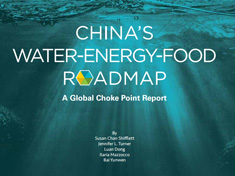
China’s Water-Energy-Food Roadmap: A New Global Choke Point Report
›
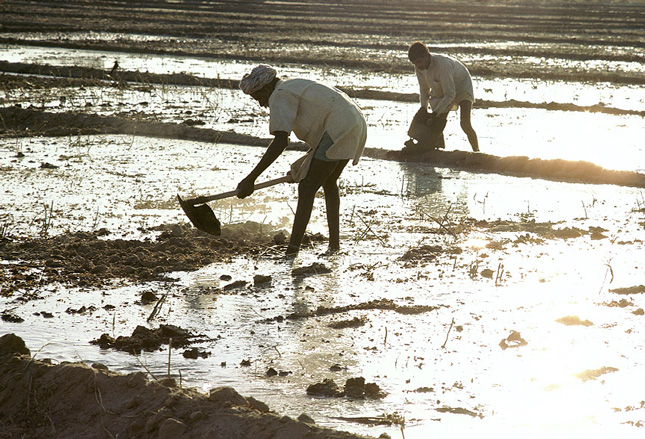
The creation of a water-energy research initiative in the landmark U.S.-China climate agreement last fall could be the beginning of a new and different path for Sino-U.S. collaboration.
-
What Can Be Done to Strengthen India’s Natural Resource Management? [Part 2 of 2]
›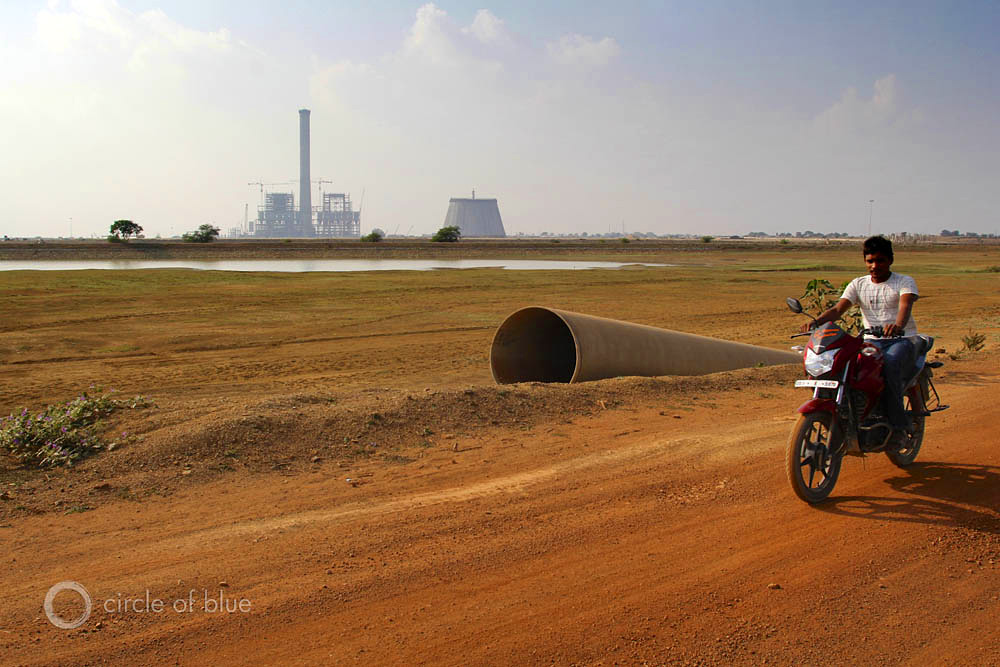
For two years, the Wilson Center and Circle of Blue have explored the contest for food, water, and energy in India and the troubling ways it plays out across the country. In part one of this series outlining our findings, we explained the basics of India’s natural resource management choke point.
-
India’s Food, Water, Energy Conundrum: Conclusions From a Two-Year Reporting Project [Part 1 of 2]
›For two years, the Wilson Center and Circle of Blue have explored the contest for food, water, and energy in India and the troubling ways it plays out across the country.
-
World Water Day: A Wellspring for Sustainable Development
›This year’s World Water Day is taking on a broader theme than years past: sustainable development. The theme makes sense as two major international processes – the drafting of the Sustainable Development Goals to replace the Millennium Development Goals, and the most anticipated UN Climate Summit in years – are taking place in 2015. Decisions made over the next nine months will play a huge role in relationships between nations and global development priorities going forward.
-
Efforts to Build Resilience in Sahel Focus on Food, Climate, Population Dynamics
›The Sahel – spreading from the Red Sea to the Atlantic as the Sahara Desert transitions to Sudanian savanna – is drought prone and suffers from chronic food insecurity. Yet, the region also boasts the highest fertility rates in the world, and the highest rates of marriage for young girls. This creates unique vulnerabilities that are being compounded by climate change, says ECSP’s Roger-Mark De Souza in an episode of Wilson Center NOW.
-
Sam Eaton, PRI’s The World
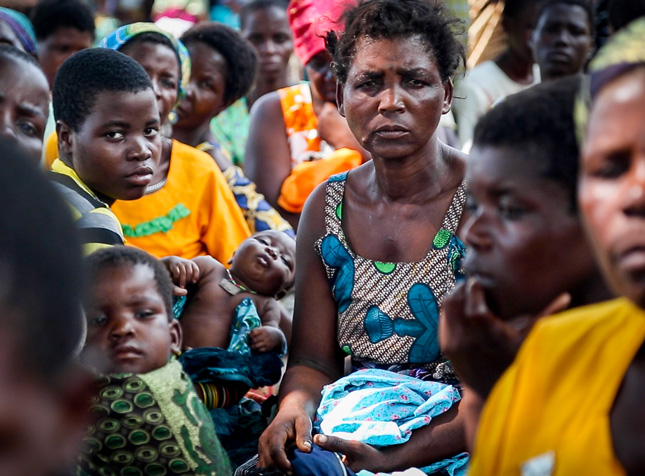
Severe Weather and Deforestation Create a Humanitarian Crisis in Malawi
›March 4, 2015 // By Wilson Center StaffYou could say the people living along the banks of the Thondwe River in southern Malawi were lucky. At least they’d been warned of the flash flood in early January that would burst through an earthen dike, wash away their homes and crops, and leave more than 4,000 of them homeless.
-
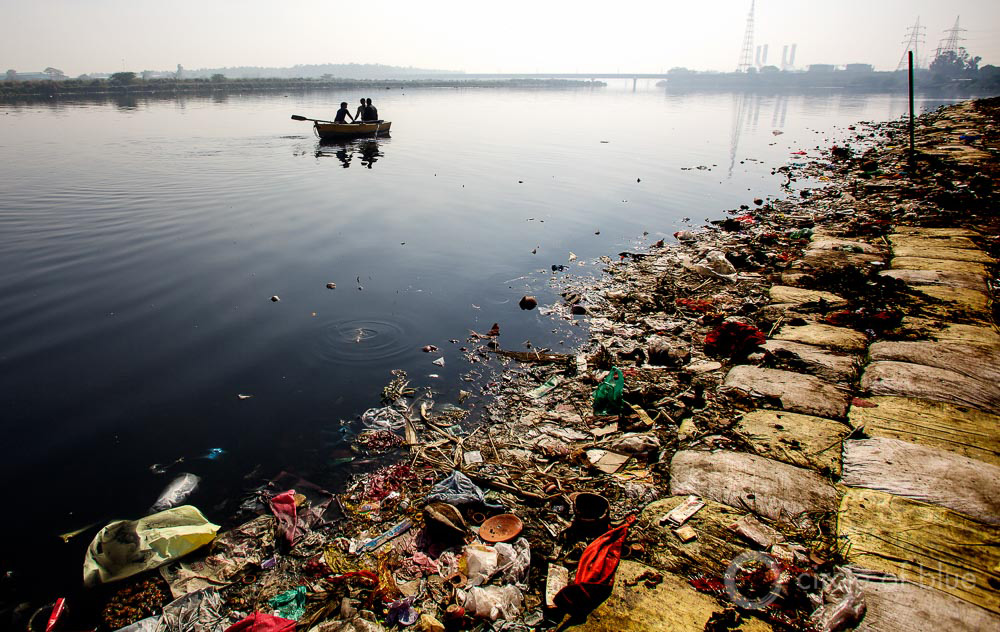
India’s Growing Water Risks, Illustrated
›Guest Contributor // March 3, 2015 // By Tien Shiao, Andrew Maddocks, Christopher Carson & Emma LoizeauxIndia is one of the most water-challenged countries in the world, from its deepest aquifers to its largest rivers. Groundwater levels are falling as farmers, new urban residents, and industries drain wells and aquifers. What water is available is often severely polluted, and the future may only be worse, with the national supply predicted to fall 50 percent below demand by 2030.
-
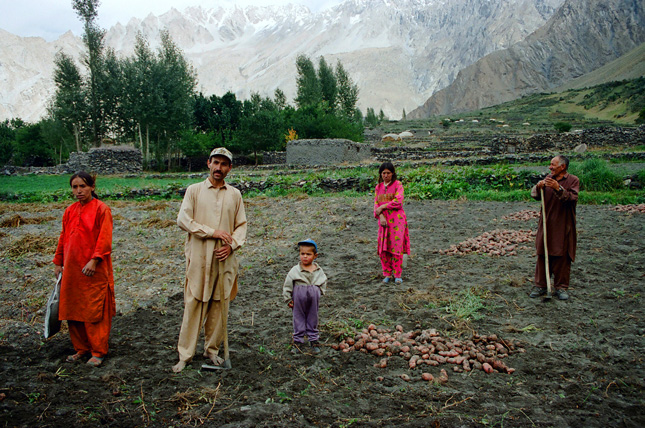
The Case for Better Aid to Pakistan: Climate, Health, Demographic Challenges Demand New Approach
›March 2, 2015 // By Kate DiamondIn 2009, the U.S. Congress passed a five-year, $7.5 billion aid package for a country it had all but abandoned just 10 years earlier. Indeed, if one word can summarize the U.S. relationship with Pakistan, “volatile” might be it. Since the September 11 attacks, the U.S. has appropriated nearly $61 billion in aid to Pakistan – more than twice what it received since independence in 1947.
Showing posts from category agriculture.