-
Who Benefits From REDD+? Lessons From India, Tanzania, and Mexico
›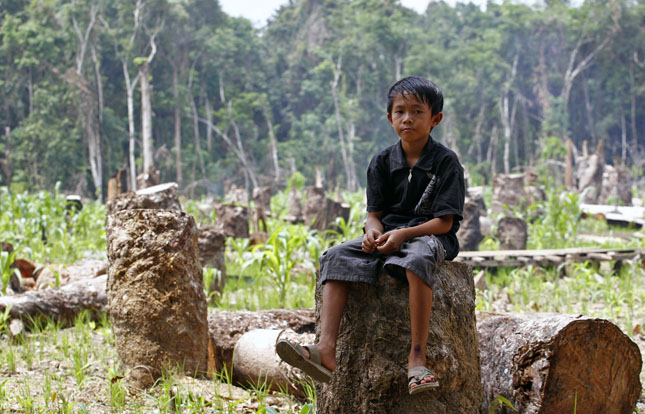
REDD+, a global framework designed to reward governments for preserving forests, has pledged nearly $10 billion to developing countries. But minorities, indigenous people, the poor, and other marginalized groups that live in forest areas often end up paying more than their fair share of the costs of environmental cleanup and conservation while getting less in return. What can be done to change this?
-
In Search of Higher Returns: Can Extractive Industries Help Build Peace?
›August 3, 2015 // By Carley Chavara
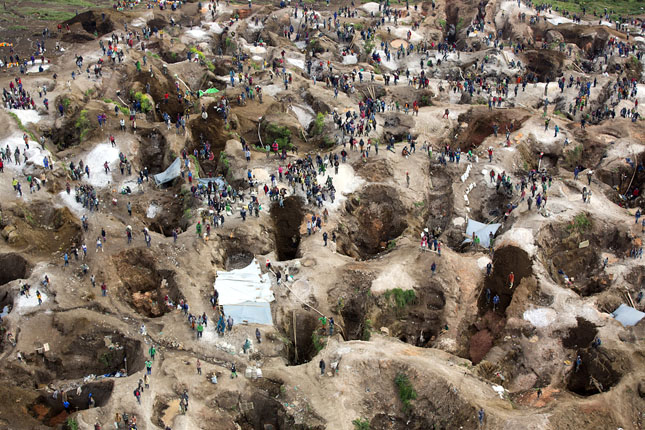
If you’re a government pondering the development of newly discovered natural resources, how do you avoid the so-called “resource curse” – the tendency of high value extractive resources, like oil, gas, or minerals, to, instead of prosperity, bring corruption, entrenched poverty, and even violence?
-
Running Faster to Stand Still: New UN Population Projections Point to Challenges Ahead for SDGs
›July 29, 2015 // By Schuyler NullIn most parts of the world, population growth is stagnant, even declining slightly, part of a decades-long and nearly universal shift towards smaller, healthier families. But the places where growth is still rapid continue to defy expectations about when they will “catch up.”
-
How Successful Were the Millennium Development Goals? A Final Report
›July 28, 2015 // By Josh FengEarlier this month, the United Nations released a final report on the Millennium Development Goals (MDGs), the framework that has guided global development efforts for the last 15 years. The document examines each of the eight MDGs and finds that “despite many successes, the poorest and most vulnerable people are being left behind.” As one of the first global poverty reduction movements nears its end, the report calls for better data collection practices to create a post-2015 development agenda that can overcome the MDG’s shortcomings.
-
Lauri Romanzi on Rethinking Maternal Morbidity Care in a Historical Context
›In May 1855, Dr. James Marion Sims opened the first obstetric fistula hospital in New York City. Just 40 years later, it closed, reflecting a sharp decline in maternal morbidity rates in the United States and other Western countries. The Waldorf Astoria Hotel now stands on the site of the former hospital. “We know that we have eradicated obstetric fistula in high income countries; it happened at the turn of the 20th century,” says Dr. Lauri Romanzi, project director of Fistula Care Plus, in this week’s podcast. -
Alex Evans, The Guardian
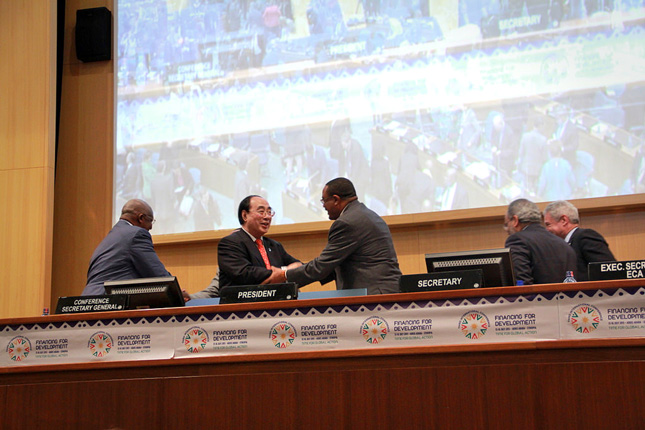
Addis Financing Summit Leaves Questions – Will the SDGs Provide Answers?
›July 24, 2015 // By Wilson Center StaffStart with the good news from this week’s finance for development conference in Addis Ababa: at least it got the narrative right.
-
As African Cities Grow, Rural-Urban Divides Widen Too
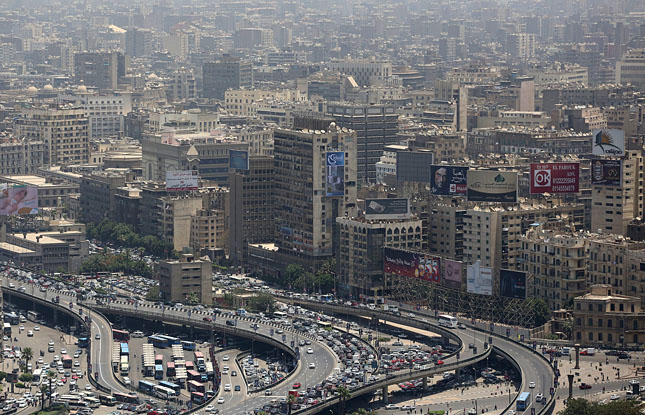
›In 2007, the world crossed a threshold: for the first time in human history, the majority of people lived in urban areas. Today, Africa and Asia are the only remaining continents where the rural population outnumbers urban, but they are urbanizing at unprecedented rates. This rapid growth is a double-edged sword. While urbanization spurs economic opportunity and often increases access to infrastructure, it is also widening disparities in health and development, according to a new data sheet by the Population Reference Bureau.
-
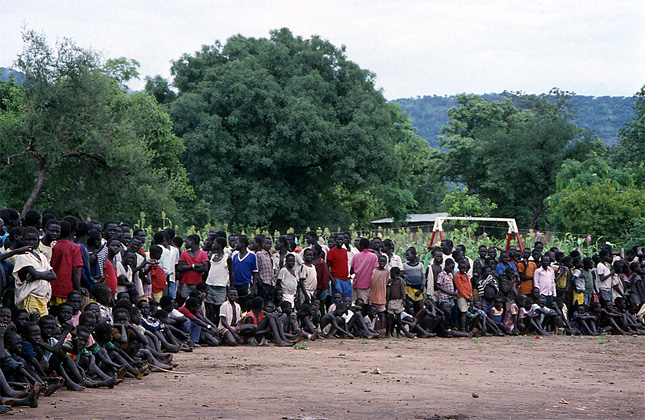
A Case for Refugee Resilience: Reflection on the Lost Boys’ Story of Perseverance
›Fifteen years ago last month, I was brought to America through the U.S. Refugee Resettlement Program after having lived in refugee camps in Ethiopia and Kenya for more than a decade. As I reflect on my experience, it is my hope that it will inspire others and help inform dialogue on forced migration so that refugees are perceived not just as victims, but models of resilience.
Showing posts from category Africa.
 In
In