-
Why Women’s Empowerment Must Start With Land Rights
›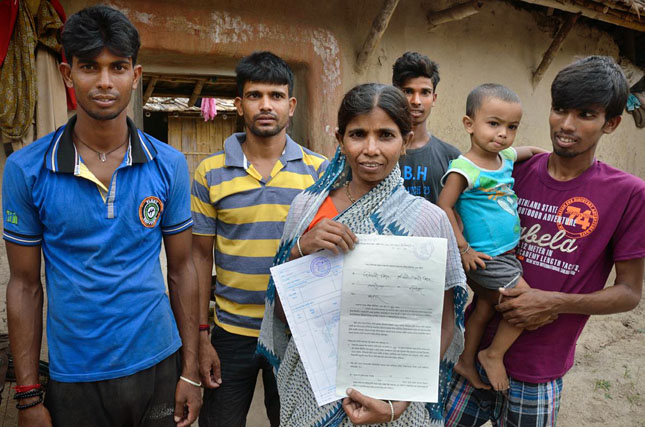
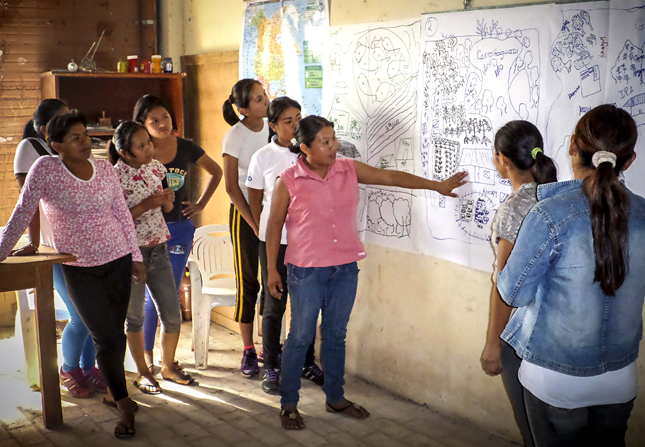
Property and citizenship are in many ways what define us, and they interact in fascinating ways.
-
Roger-Mark De Souza & Sono Aibe, Inter Press Service
Making the Goals: Why Sustainable Development Must Be Integrated Development
›October 6, 2016 // By Wilson Center Staff
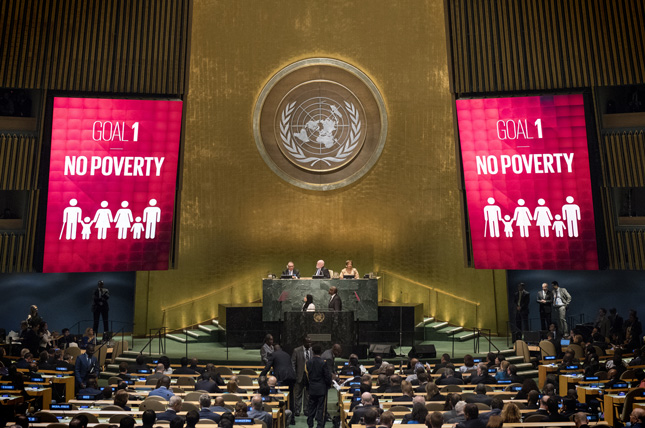
By recognizing how closely connected the different aspects of sustainable development are, the Sustainable Development Goals (SDGs) create an important opportunity – and challenge – for a more coordinated approach to implementing development policies.
-
Silently, Quickly, and Completely: The World’s Lakes in Peril
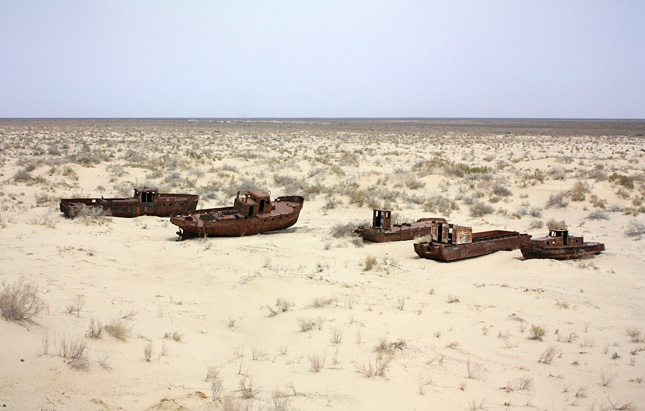
›September 28, 2016 // By Cara ThuringerWhen Lake Poopó, Bolivia’s second-largest lake, dried up last December, an entire community lost their way of life and the scientific community cast their eyes to the map asking, where next? They didn’t have to look far. According to a report prepared by the World Lake Vision Committee, a collaboration between the International Lake Committee Foundation, the Shiga Prefectural Government of Japan, and the United Nations Environment Program, there are very few major lake systems that are not experiencing decreasing water quality, volume, biodiversity, or some combination of the three.
-
Building a Case for Integrated Development: A New Research Agenda and Examples From the Field
›With the Sustainable Development Goals nearing their one-year anniversary, the global community continues to strive toward eradicating poverty by 2030. In order to achieve this ambitious target, many international development practitioners are embracing a more holistic approach to development, combining traditionally single-sector programming, like health or environment work, into more comprehensive efforts. But such integrated development is sometimes easier said than done.
-
Major Water Disputes Are Often Beyond War and Peace
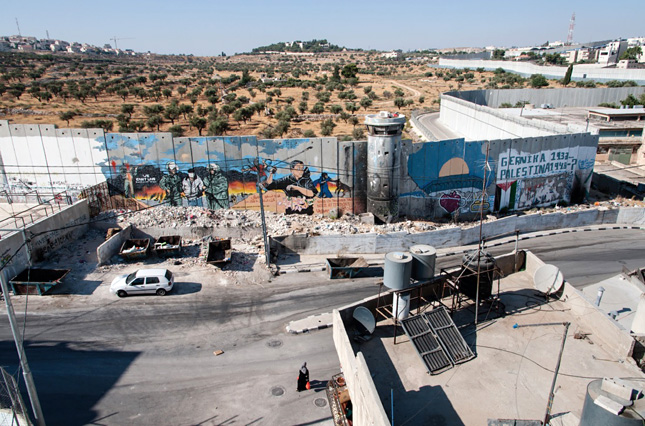
›Early this June, the Israeli government cut off drinking water to people living in the Salfit region of the West Bank and three villages east of Nablus. The consequences have been dire. Thousands of Palestinians have been left with no running water in their homes, and factories have been forced to shutter. The power imbalance that leaves Palestinians so vulnerable to Israeli turns of the valve plays out every year, made possible by Israel’s occupation of the water-rich Golan Heights in 1967. What is perhaps most surprising is that the situation persists.
-
Measuring Poverty From Space, and a Loss and Damage Strategy for Pakistan
›Accurate measurements of wealth are useful for developing more targeted and effective poverty reduction programs. Unfortunately, such metrics are few and far between, as data on economic livelihoods tends to be expensive to obtain, and once collected, is often unreliable. -
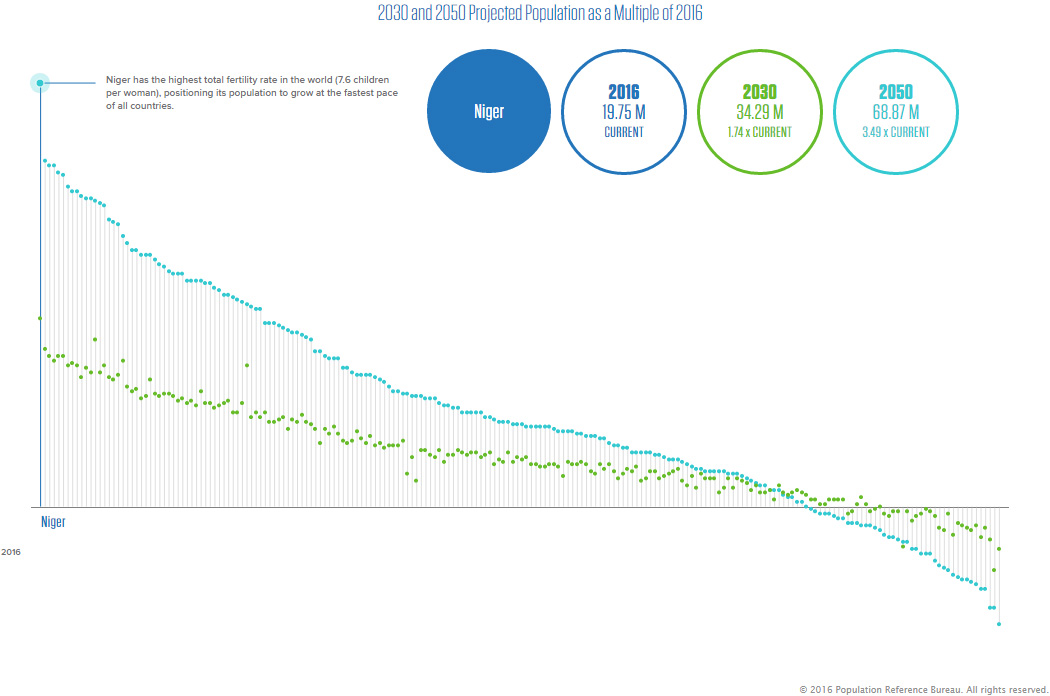
Striving for Sustainability at 10 Billion: The 2016 World Population Data Sheet
›Featured side by side at the top of The New York Times home page recently were two stories: one on the United States and China, the world’s largest producers of carbon emissions, committing to a global climate agreement, another on how rising seas are already affecting coastal communities in the United States.
-
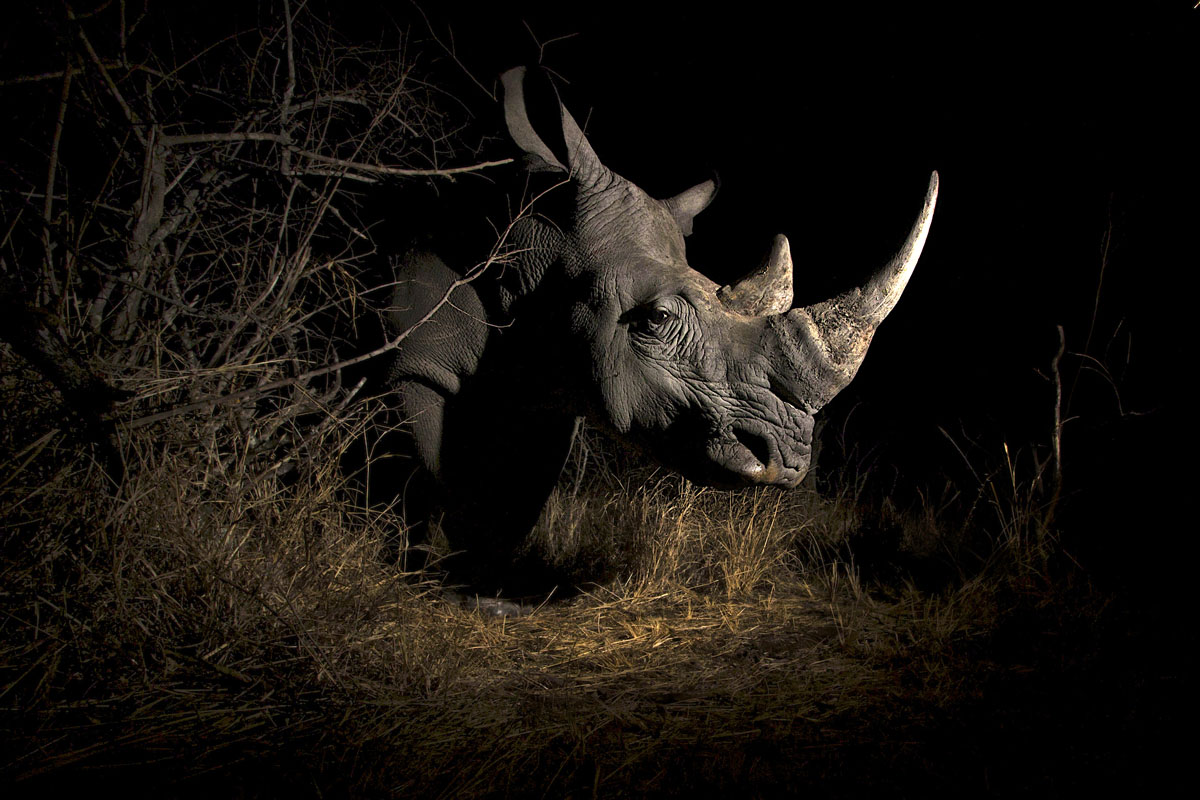
Wild Laws: China and Its Role in Wildlife Trafficking
›China Environment Forum // From the Wilson Center // September 12, 2016 // By Evie Kirschke-SchwartzPicture your typical farm: Pigs, cows, chickens, goats…and tigers? This may sound far-fetched, but many iconic wild animals – including tigers, bears, and rhinos – are now farmed en masse in China.
Showing posts from category Africa.