
-
Peace in Colombia Doesn’t Necessarily Mean the Revival of Oil
›
It appears increasingly certain that the Colombian government will sign a peace agreement with the guerrillas of the Revolutionary Armed Forces of Colombia (FARC) in 2016. The oil and gas industry is widely expected to be among the sectors to most benefit from the end of 50 years of armed conflict. But a new report commissioned by the Latin American Program has identified several challenges to that optimistic view.
-
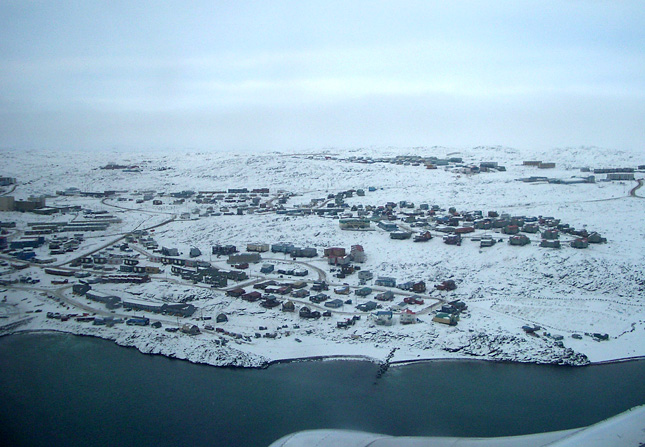
Making Nunavut a Full Partner in Canadian Confederation
›
Canada is well known as a world leader in measures of human wellbeing. Since the launch of the UN Human Development Index in 1990, Canada has ranked among the top 10 countries every single year except one. But though Canadians can take a just pride in their country’s achievement on the global stage, it nevertheless masks grave concerns at home.
-
Fire and Oil: The Collateral Environmental Damage of Airstrikes on ISIS Oil Facilities
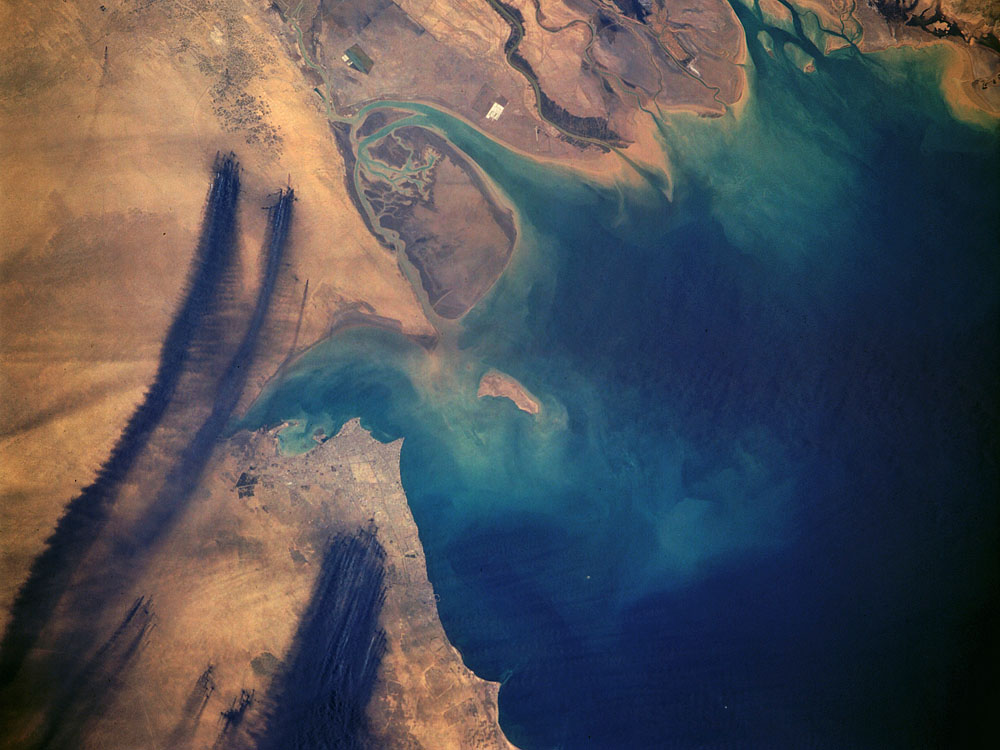
›As the United States, Russia, and others step up attacks on the self-proclaimed Islamic State in Iraq and Syria (ISIS), there is concern over their direct and long-term environmental and public health impacts. Many air strikes have targeted lucrative oil installations under the control of ISIS, and these could have severe detrimental effects for Syria’s future, both environmentally and socio-economically. Questions around the effectiveness of these strikes, both from a military and political perspective, seem to be missing in the wider debate.
-
Military Leaders: Climate Change, Energy, National Security Are Inextricably Linked
›In the midst of a minefield on day two of Desert Storm Task Force Ripper, Marine Corps Operations Officer Richard Zilmer stepped out of his armored personnel carrier, squinted up at the sky, and saw nothing but black from horizon to horizon. Iraqi forces, trying desperately to blunt the attack of coalition armies, had set fire to hundreds of Kuwaiti oil wells and oil-filled trenches.
-
The Renewable Energy Era Has Already Started
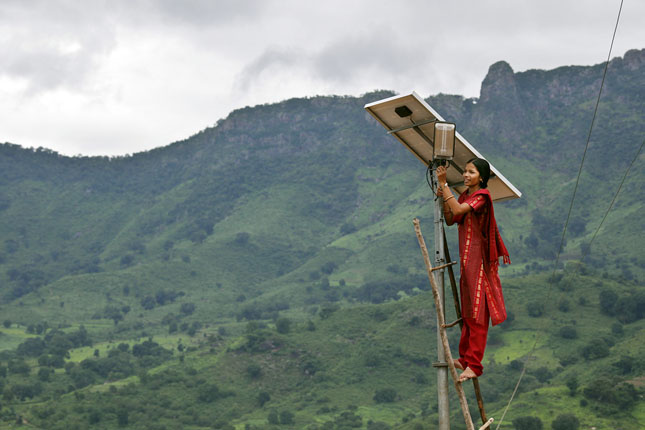
›The world has entered a new energy era. Last year, for the first time in four decades, the global economy grew without an increase in CO2 emissions, according to the Renewable Energy Policy Network for the 21st Century.
-
Migratory Labor for Extractive Industries Creating “Sons of Soil” Conflict in China
›In May 2011, two weeks before I was scheduled to start research in the region, a Mongol herder named Mergen was hit by a mining truck while protecting his pastureland in Xilingol, Inner Mongolia. He was dragged 140 feet and killed. His death sparked a month of protests.
-
Tracking the Energy Titans: Hidden Trends in the United States, China, and Canada [Infographic]
›Back in high school physics we learned the first law of thermodynamics: Energy within a closed system must remain constant. In other words, the total amount of energy cannot increase or decrease without some sort of outside interference.
-
Angola’s Oil-Soaked Kleptocracy Is an Empire Built on Inequality
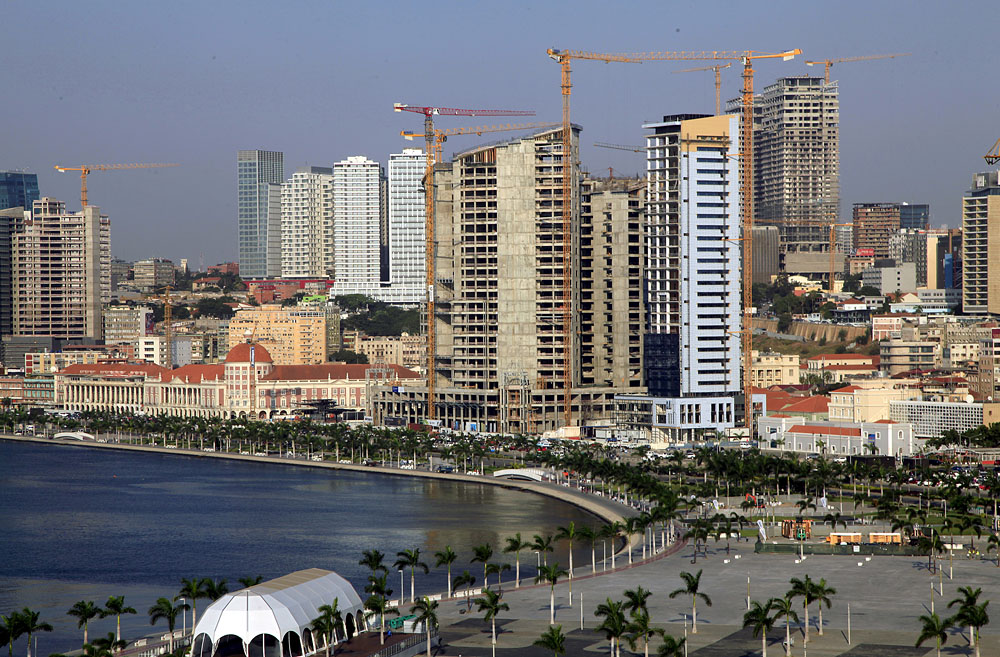
›August 26, 2015 // By Josh FengIsabel dos Santos, the daughter of Angolan President José Eduardo dos Santos and the richest woman in Africa, owes her wealth to the oil industry. Delfina Fernandes, a woman living in abject poverty in the village of Kibanga, uses gasoline as an anesthetic to dull the sheering pain of her rotting teeth.
Showing posts from category oil.