-
Adapting to Global Change: Climate Displacement, Mega-Disasters, and the Next Generation of Leaders
›
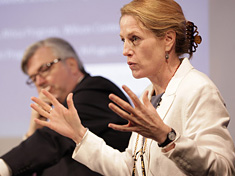
The world is more connected than ever before, but also more complex. Big, transnational trends like climate change, urbanization, and migration are changing the calculus of geopolitics, while local-level inequalities persist. “[Change] seems to be spinning around us so fast,” said John Hempelmann, president of the Henry M. Jackson Foundation, which honors the legacy of the late senator from Washington State. How can today’s and tomorrow’s leaders adjust to global trends? [Video Below]
-
Alice Thomas: Climate Change Effects and Responses Profoundly Undermine Human Rights
›
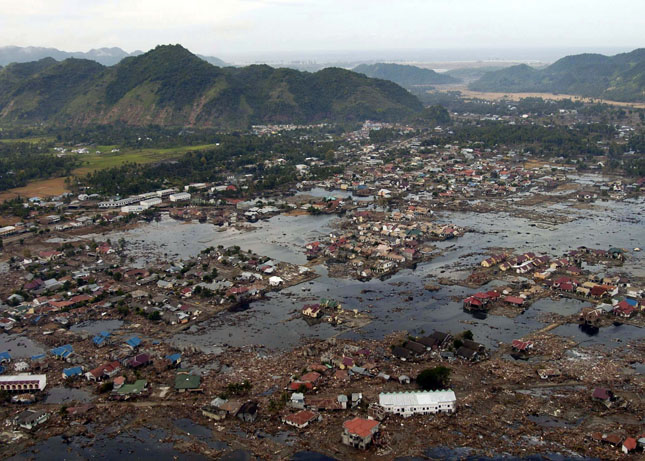
After Typhoon Haiyan ripped across the Philippines in 2014 leveling nearly every building in sight, 4 million people – mostly poor and from coastal regions – were displaced. In response, the government set up “no build” zones in vulnerable areas and worked to move people to new land. But many of the newly relocated people discovered this land came with no access to water, electricity, or other services.
-
The Sahel Beyond the Headlines: Underlying Demographic, Environmental Trends Erode Resilience
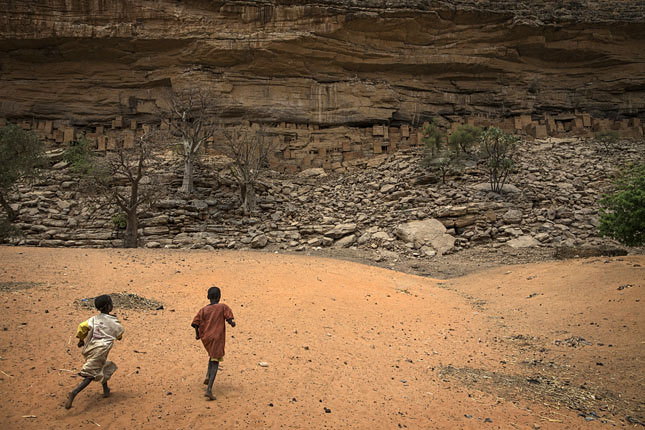
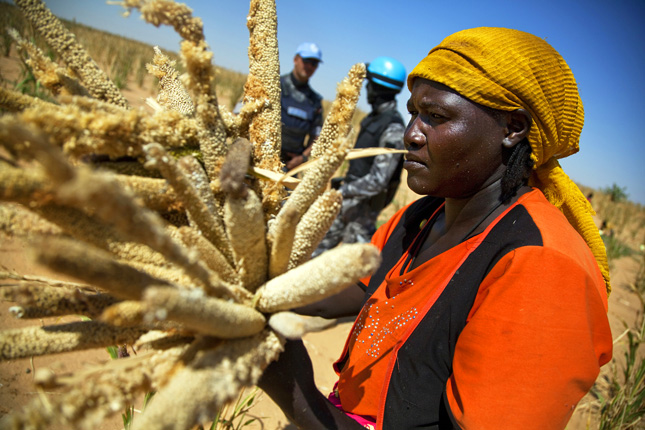
›Between the Sahara to the north and savanna to the south lies the semi-arid Sahel, a region stretching from Senegal to Sudan that has experienced desperate poverty, climate change, malnutrition, and violence. While every context is different, the Sahelian countries share some common challenges, including a pattern of recurring crises and fluid borders. Boko Haram’s reign of terror in northern Nigeria and Mali’s coup have both had cross-border components. [Video Below]
-
For Next Edition of Influential Global Trends Report, National Intelligence Council Looks to Expand Its Audience
›Between sessions on the value of creating a physical expression of digital brands (Evernote socks) and Bitcoin, this year’s South by South West (SXSW) in Austin, Texas, featured newcomers from a different background: the U.S. National Intelligence Council.
-
The Dark Side of Development: Displacement, Eviction in World Bank Projects and Ethiopia
›With the help of international aid, foreign land grabs in the Gambella region of Ethiopia have resulted in environmental degradation, more severe economic and social inequality, and human rights abuses, according to a new study by the Oakland Institute. We Say The Land Is Not Yours collects testimony from victims of “villagization,” a policy of forced displacement started under the military Derg dictatorship and, according to many, continued to this day under the guise of land investment. -
Consequential Omissions: How Demography Shapes Development
›If you were on a mission to improve the plight of humankind, no less, would you care about how many people are living, where they are, and how old they are? You probably would, for it would obviously make it easier for you to estimate the challenge you face. However, the international community did not.
-
High Stakes: Understanding Risk and Why This Year’s Climate Negotiations Are So Important
›Expectations for the upcoming UN climate change summit in Paris are higher than they’ve been in years. Experts expect it will be the best chance to achieve a binding, universal agreement to limit carbon emissions. But the conference is still not getting the attention it deserves from policymakers and the public, given the stakes – and not just for the environment but for the international system writ large, said Nick Mabey, founding director and chief executive of the UK-based environmental NGO E3G at the Wilson Center on February 12.
-
Heat and Hotheads: The Effect of Rising Temperatures on Urban Unrest
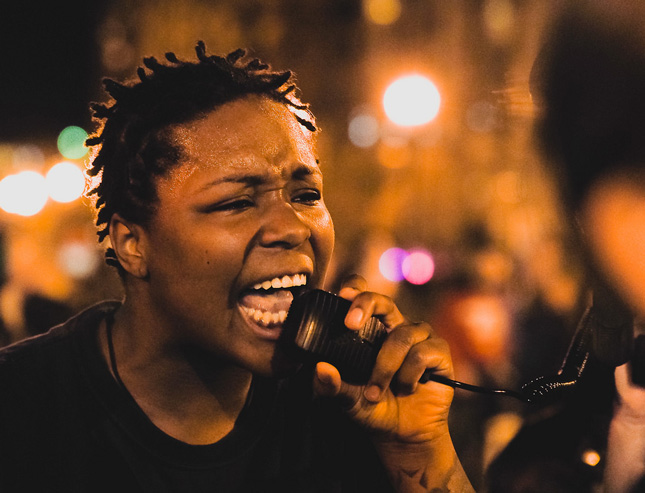
›When the first wave of protests erupted in Ferguson, Missouri, following the shooting of Michael Brown in August 2014, it looked as if unrest might spread to other American cities, echoing the “long hot summers” of 50 years before.
Showing posts from category migration.