-
Panelists Call for Creation of World Commission to Handle Solar Radiation Management
›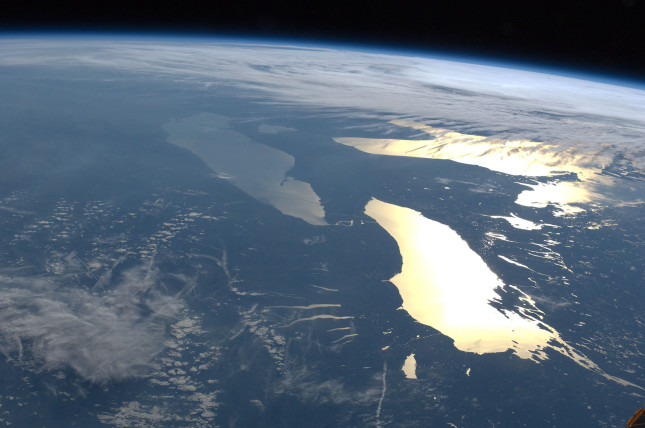
“Right now, it’s the Wild West in regard to governance with geoengineering,” said Paul Wapner, a professor at the School of International Service at American University at a recent panel about solar radiation management (SRM) at the Arizona State University’s Washington Center. According to the Governing Solar Radiation Management report which was the focus of the event, SRM, which theoretically would cool the planet by reflecting sunlight back into space, may be a viable last-resort option if climate change mitigation and adaptation efforts fail. Wapner said that “there’s a danger in SRM, there’s a danger in climate change. And, balancing those risks is part of the exercise and will continue to be part of the exercise.”
-
Environmental Security in Times of Armed Conflict
›
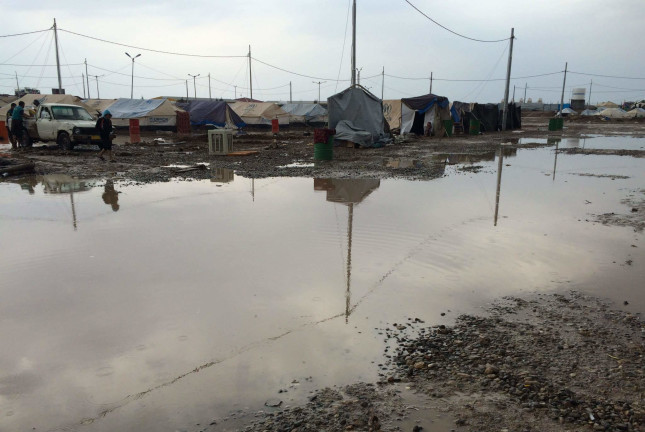
This summer, Iraqi citizens in Basra demonstrated in the streets to protest a serious public health crisis caused by polluted water. The condition of their water infrastructure was deplorable after years of devastating wars, corruption, and droughts and regional hydropolitics. More than 100,000 people have reportedly been poisoned by polluted water, while recent estimates warn that some 277,000 children are at risk of diseases, such as cholera due to rundown water and sanitation facilities at schools.
-
“The River Belongs to the People”: Building Cooperation in the Mara River Basin
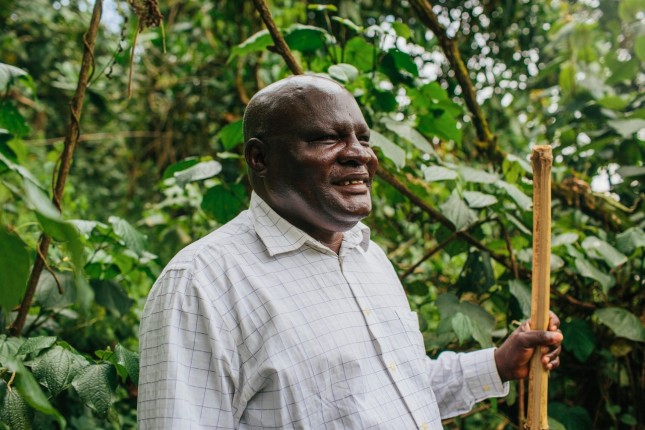
›Water engineer Gordon Mumbo of USAID’s Sustainable Water Partnership grew up in the small Kenyan village of Kamuga. Year after year, he watched as frequent floods from one of Kenya’s major rivers, the Nyando, disrupted village life. After 30 years of a wide-ranging career in water, for the first time since his childhood, he has returned to his birthplace, where he leads a team building community engagement in the Mara River basin.
-
Europe Takes the Lead in Climate, Energy, and Security
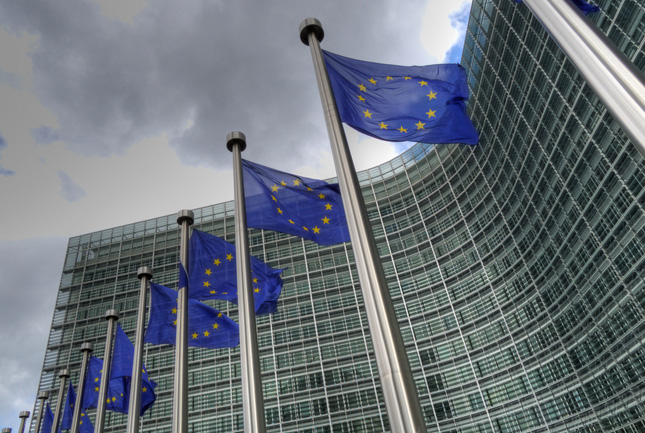
›With the tumultuous NATO summit and a simmering trade war dominating stateside headlines last month, the European Union’s progress on climate-security connections has received little attention. After the U.S. government rolled back its significant efforts in early 2017, the EU and its leading members—particularly Sweden and Germany—picked up the ball. Three significant events herald what could be the start of a new era of climate-security policymaking—one under European leadership.
-
Water and Governance: Changing Water Laws in a Changing Climate
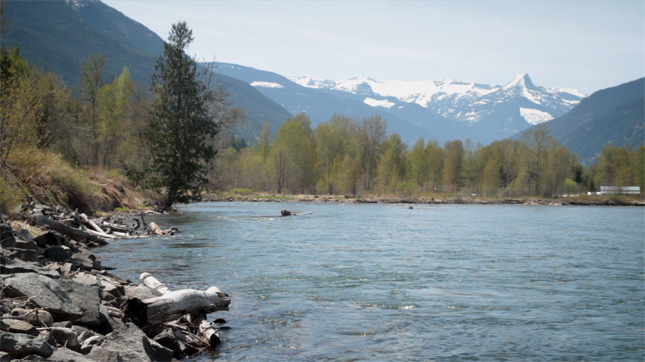
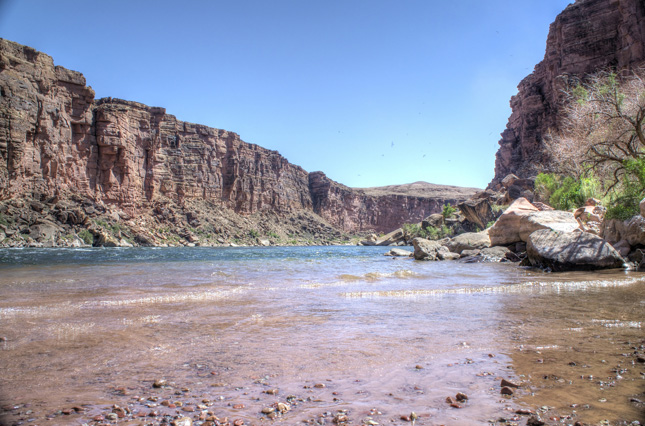
›The Columbia River basin—which spans four U.S. states, two Canadian provinces, and 32 Tribal Nations or First Nations—touches the lives of more than five million people each day. The basin’s 250 hydroelectric dams power everything from Google’s data center to irrigation pumps that spread water onto fields of alfalfa and potatoes. Steelhead trout and salmon rely on the river to spawn. Ships and tugboats transport millions of tons of cargo to and from the Pacific Ocean.
-
Granting Rivers Legal Rights: Is International Law Ready for Rights-Centered Environmental Protection?
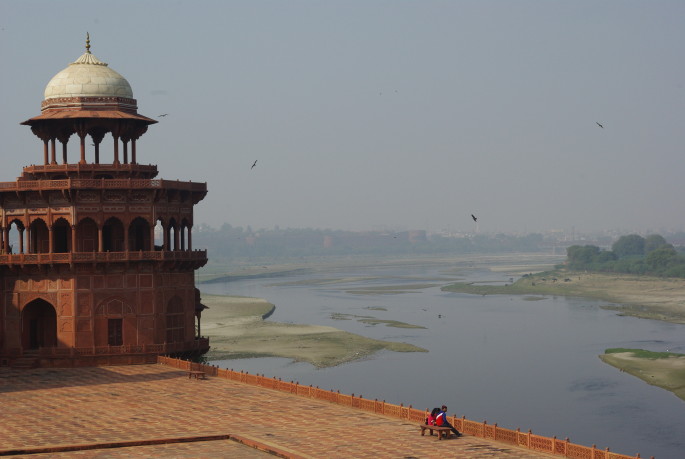
›Last year, four rivers were granted legal rights: the Whanganui in New Zealand, Rio Atrato in Colombia, and the Ganga and Yamuna rivers in India. These four cases present powerful examples of the increasing relevance of rights-centered environmental protection. Like corporations, which have legal rights in many jurisdictions, these rivers are rights-bearing entities whose rights can be enforced by local communities and individuals in court. But unlike corporations, these rights are not yet recognized in international treaties. Which raises the question: what are the implications of rights for nature for international environmental law?
-
The Water Wars Within: Preventing Subnational Water Conflicts
›In 1995, World Bank official Ismail Serageldin warned that “the wars of the next century will be fought over water—unless we change our approach to managing this precious and vital resource.” Since then, the world’s water resources have come under ever-greater strain. At the same time, institutional frameworks for managing water resources remain weak throughout most of the globe. Only about a quarter of the world’s international river basins have adequate governance arrangements to prevent and resolve conflicts. Does this mean that we can expect the 21st century to be wracked by water wars?
-
China’s Ready to Cash In on a Melting Arctic
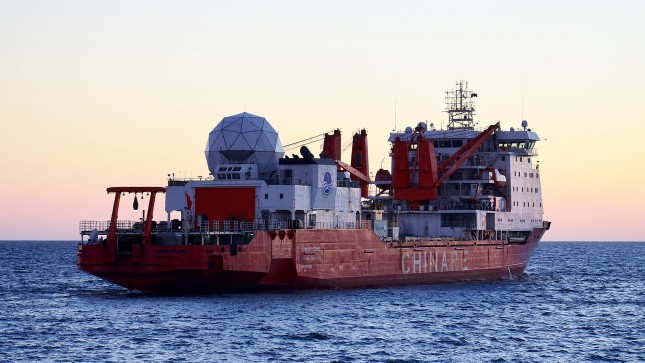
›Put simply, “the damn thing melted,” Navy Secretary Richard Spencer explained in recent testimony, referring to Arctic ice melt as the trigger for the new U.S. Navy Arctic Strategy that is to be released this summer. What the Navy planned as a 16-year road map is in need of updates after only four years, in part due to receding polar ice caps, which are “opening new trade routes, exposing new resources, and redrawing continental maps,” but also in part due to the rise of China as an “Arctic stakeholder” and increasing important player in the region.
Showing posts from category international environmental governance.