-
Environmental Security Weekly Watch: April 27-May 1, 2026
›
A window into what we’re reading at the Stimson Center’s Environmental Security Program
Disaster Response Aid: Data Argues for New Focus on Inequality (Dialogue Earth)
When a 2019 oil spill and the COVID-19 pandemic struck coastal fishing communities in north-eastern Brazil back-to-back, researchers tracked 402 small-scale fishers across three states to assess the impacts. What they found was that fallout from these crises was were not uniform. The oil spill’s contamination of nearshore mangroves disproportionately harmed the women who make up the bulk of the workforce that harvests shellfish, while men fishing offshore for open-water species retained more of their income.
-
Environmental Security Weekly Watch: April 20-24, 2026
›
A window into what we’re reading in the Stimson Center’s Environmental Security Program
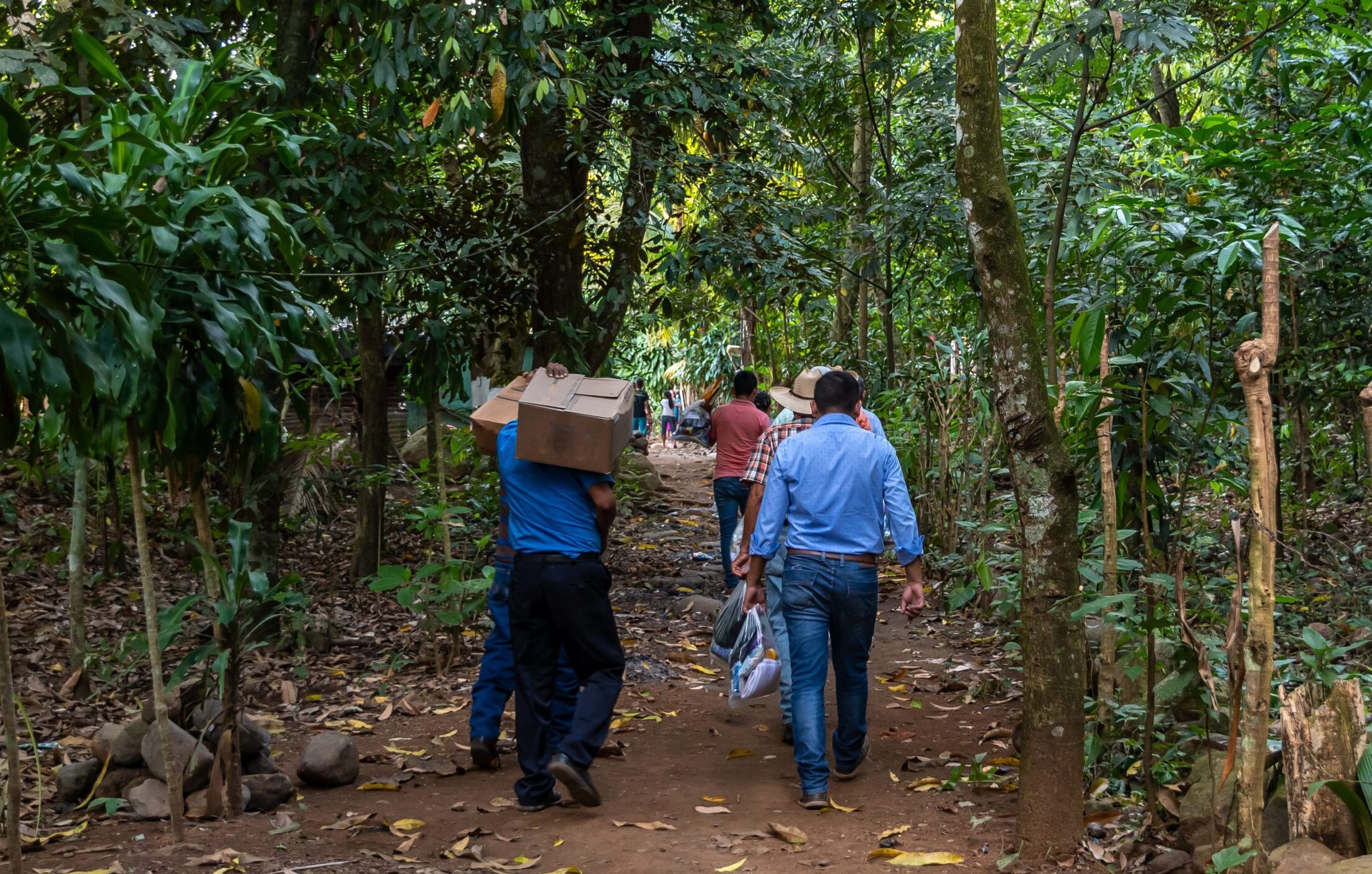
The Bolivian Cacao Farmers Taking on the Gold-Mining Industry (The Guardian)
Cacao farmers in Bolivia’s Alto Beni and Palos Blancos municipalities successfully pushed for local mining bans in 2021, protecting their organic agroforestry land from the destructive gold rush sweeping the region. Gold prices are up over 64% since 2020—intensifying illegal and legal mining across Bolivia, driving deforestation, mercury poisoning, flooding, and encroachment into protected national parks. Communities near active mining zones report polluted rivers, declining fish populations, and mercury-related illnesses.
-
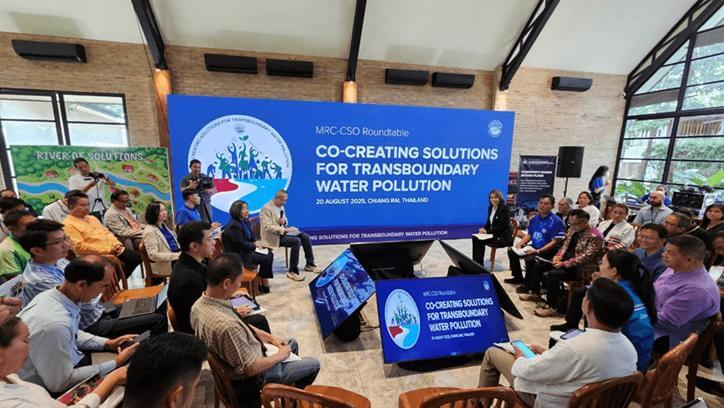
Protecting Water in the Mining Rush: A World Water Day Panel
›From Zambia to Indonesia, recent headlines about catastrophic toxic mining spills grimly underscore how the global push to secure one set of resources, critical minerals, might be compromising another: water.
“This isn’t just an environmental story,” said Lauren Risi, Director of the Stimson Center’s Environmental Security Program, at a recent event on protecting water resources amid increasing mining, held ahead of World Water Day 2026. “For many of these communities, the water being put at risk is their source of drinking water. It’s critical to subsistence farming and livelihoods. It sits at the center of daily life. When mining degrades or disrupts access to it, the consequences are immediate and personal,” she said.
-
Why Good Development Requires Wisdom, Not Just Rules
›Development practitioners enter the field hoping to make the world a better place. Yet, too often, they become jaded and cynical over time. The bureaucratic processes that shape the mechanics of development programs (funding, design, implementation, and evaluation) often make it difficult for practitioners to apply their expertise and judgment. As the international development sector adjusts to the shutdown of USAID last year, it is an opportune moment to reflect upon how different approaches may strengthen development practice.
-
Environmental Security Weekly Watch: March 3-6, 2026
›A window into what we’re reading at the Stimson Center’s Environmental Security Program
US Pressure Adds to the Suffering in Cuba’s Worst Economic Crisis (The New Humanitarian)
Cuba is on the brink of a total humanitarian collapse as its people bear the brunt of cascading crises driven by the Trump administration’s decision to block Venezuelan oil shipments to the island. It is a crisis compounded by a decades-long US embargo and years of economic mismanagement. The power blackouts which previously lasted for 12 to 14 hours now exceed 20 hours, thus further crippling hospitals, food storage, and water systems. Without new fuel deliveries, the island might reach complete fuel depletion this month amidst its worst economic crisis since the 1930s.
-
The Environmental Peacebuilding Association: Year in Review and What’s Ahead
›With a reduction in capacity of bilateral and multilateral institutions and a broader political retreat from environmental protection and peacebuilding, environmental peacebuilding reached a turning point in 2025. This was the conclusion of leading experts who spoke at The Year in Review and the Year Ahead webinar hosted by the Environmental Peacebuilding Association, as they reflected on the mounting constraints posed by this altered landscape.
-
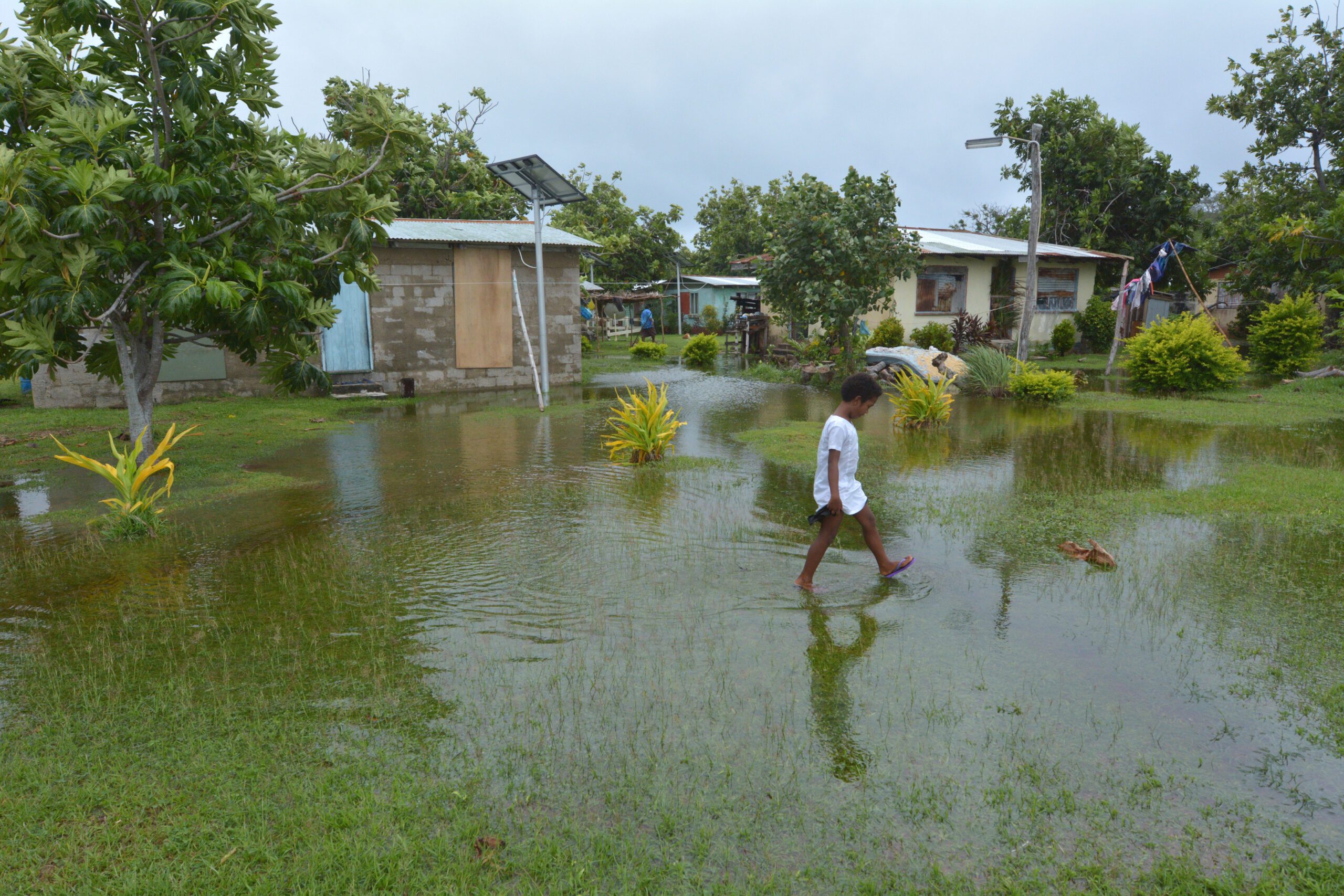
When Climate Extremes Don’t Lead to Conflict: Evidence from the Pacific Islands
›The article was adapted from “Local Resilience Can Mitigate Climate Conflicts in the Pacific,” published by Global Outlook.
Pacific Island countries sit at the frontline of climate change. Many consist of small, low-lying islands, with long coastlines and vast ocean spaces between them. Livelihoods often depend on agriculture and fishing, and importing water or food is often infeasible or expensive. This makes those large ocean nations highly vulnerable to the impacts of climate change, such as storms, droughts, and rising sea levels.
-
Reconsidering Arctic Resilience: Community Bonds and Coping with Change
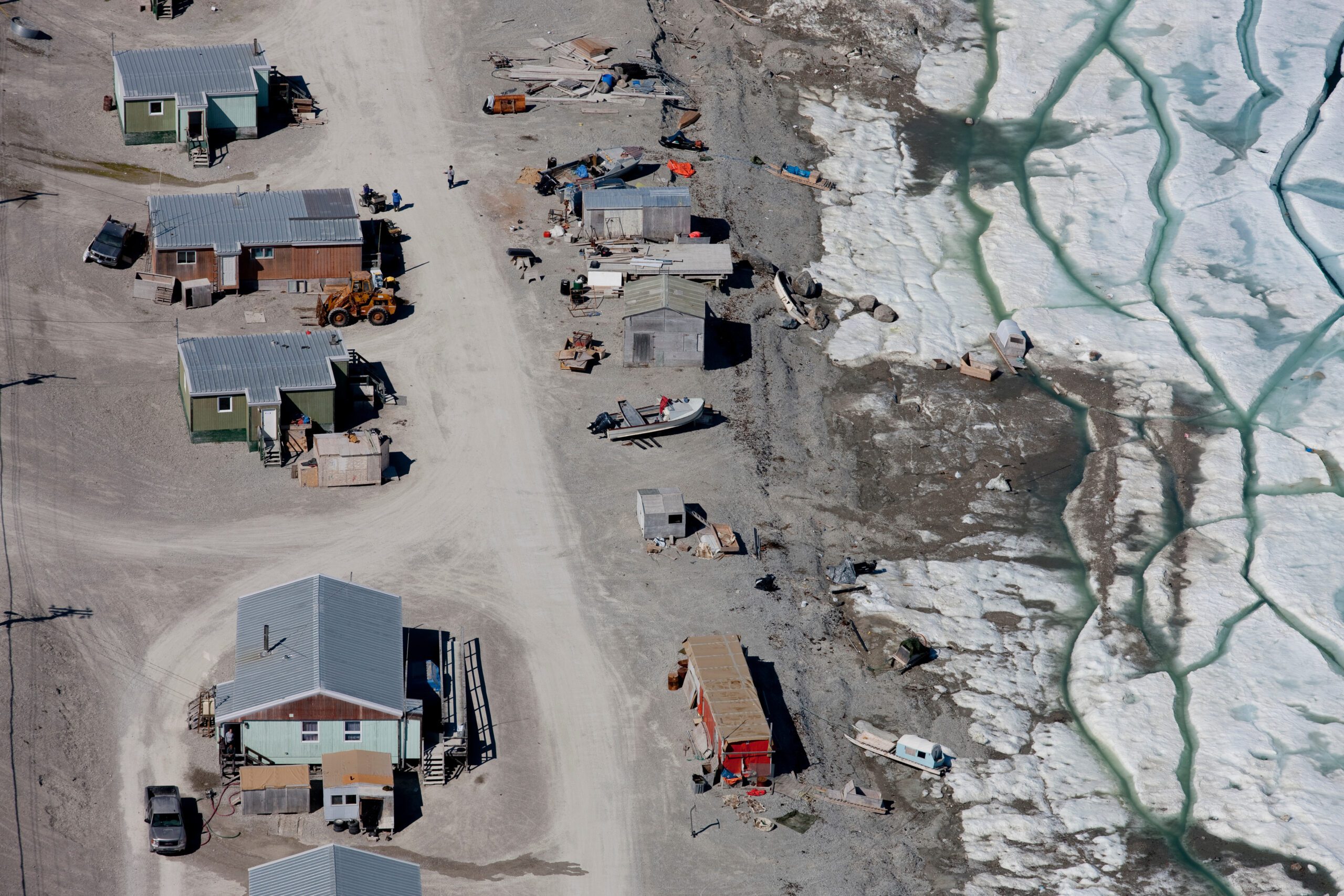
›Guest Contributor // February 11, 2026 // By Nadezhda Filimonova, Anngelica Kristoferqvist, Åsa Andersson, Francis Joy & Katariina VuoriPresident Donald Trump’s revived interest in buying Greenland attracted worldwide attention to the Arctic and triggered renewed geopolitical discussions about the region. These policy and academic debates mainly focus on traditional military threats and protecting national interests linked to great power rivalries—specifically a broader global competition involving the USA, Russia, and China.
Showing posts from category community-based.